.svg)

.svg)

February 7, 2026
5 regulatory trends to watch in Q1
The following is by Mesh Head of Legal Steve Aquino
Crypto regulation is entering a new phase. The question is no longer whether governments will regulate digital assets, but how and how quickly. In many jurisdictions, lawmakers and regulators are moving from principles to implementation, translating high-level frameworks into rules that will actually govern markets.
But this shift isn’t happening evenly. As we’ll see, early leaders like the U.S. are losing momentum while formerly cautious markets like South Korea are surging ahead. It’s like a race run on uneven ground—speed matters, but it would seem that footing matters more.
Here are the regulatory developments to watch for the rest of Q1.
U.S. market structure legislation hits turbulence
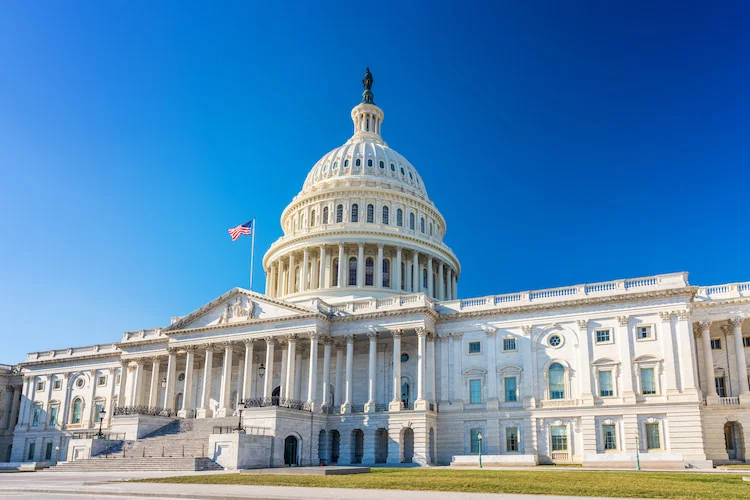
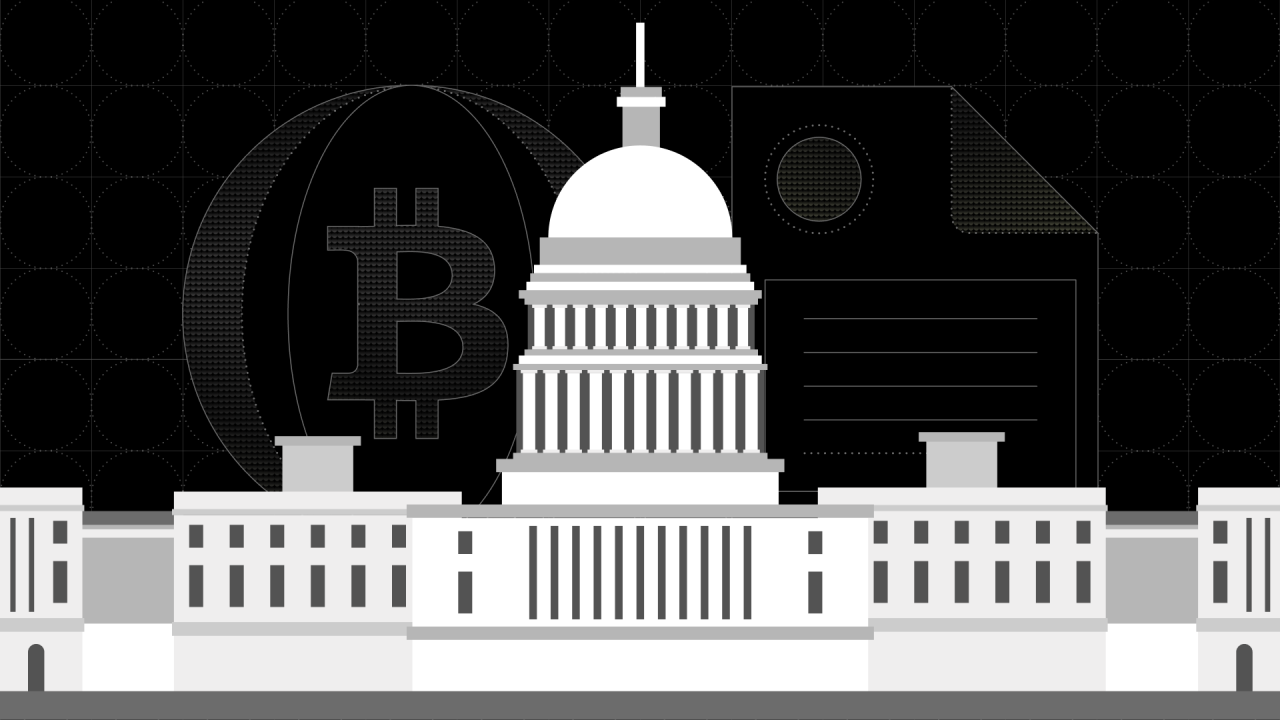
At the start of January, the CLARITY Act looked poised for a Senate Banking Committee markup—a critical step toward becoming law after the House passed its version last summer.
That optimism faded quickly.
A split emerged between the crypto industry and traditional financial institutions, largely over stablecoin rewards. Banks have pushed to limit rewards, arguing they threaten deposit-funded products. Crypto firms see those limits as unworkable. Coinbase CEO Brian Armstrong publicly withdrew support for the bill, and shortly after, the Senate Banking Committee postponed the markup indefinitely, shifting its attention to housing affordability. A White House meeting earlier this week between banking and crypto groups failed to break the deadlock.
With November’s midterms looming, and Congress increasingly focused on broader political priorities, the path forward for CLARITY is now uncertain.
Why it matters: The U.S. still lacks comprehensive crypto market structure rules, despite years of debate. If the bill stalls through the election cycle, or if control of either chamber flips, we could see further delays, redrafts, or a full reset, even as other jurisdictions move ahead.
GENIUS Act rulemaking begins in earnest
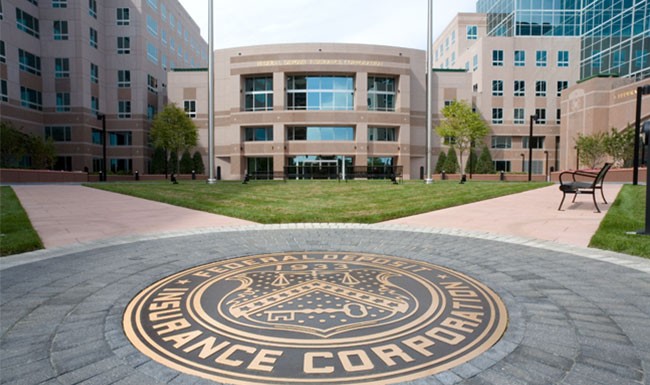
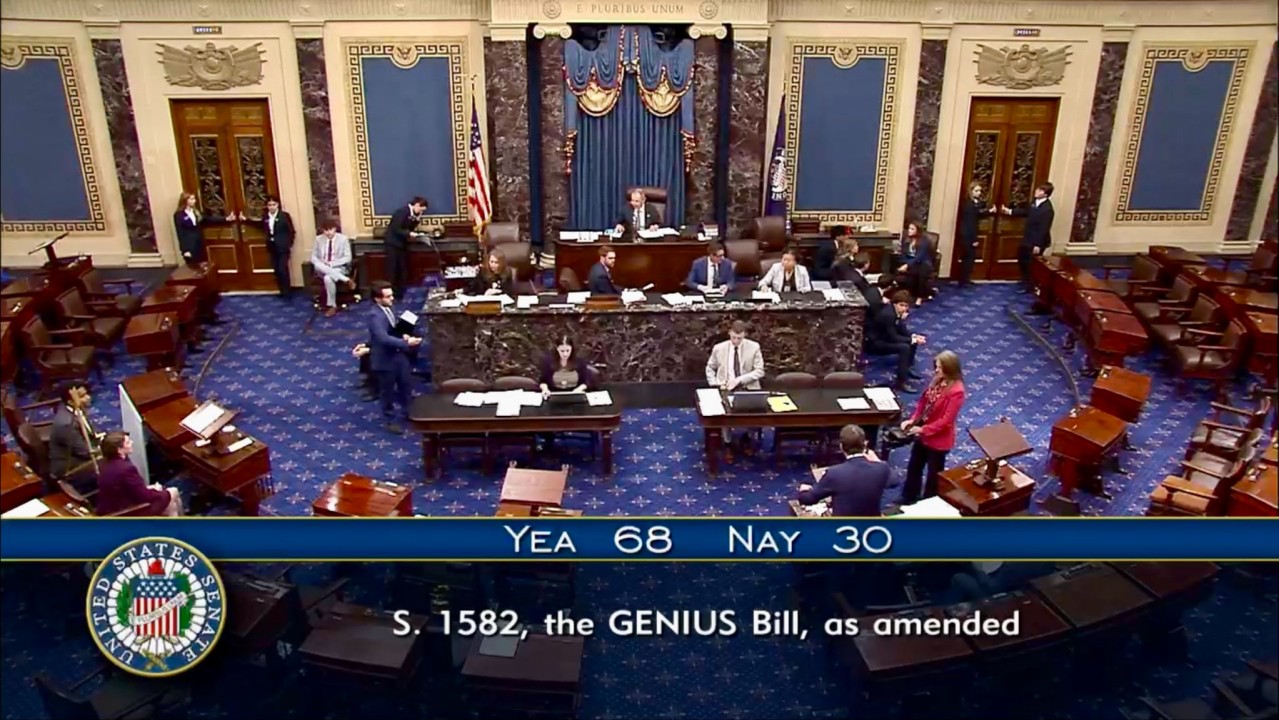
While Congress struggles on market structure, regulators are moving forward with implementation of the GENIUS Act, which became law last summer and created a federal framework for stablecoins.
The FDIC kicked things off by proposing procedures for state-chartered banks and non–Federal Reserve institutions to issue stablecoins through subsidiaries. Notably, the proposal allows smaller institutions to mint their own coins—a move that appears designed to ease banking industry concerns about deposit flight caused by stablecoin rewards.
Over the coming months, additional guidance is expected from other regulators, including the Office of the Comptroller of the Currency and FinCEN.
Why it matters: If the GENIUS Act is the blueprint, agency rules are the construction. These early decisions will shape who can issue stablecoins, how they operate, and what features are allowed.
The UK pushes toward full-spectrum crypto regulation

UK regulators are pressing ahead with plans to finalize crypto legislation this year. Recent consultation papers cover crypto activities, market abuse, and a prudential regime for crypto-asset firms.
Taken together, these proposals would create a framework at least as comprehensive as the EU’s MiCAR regime. In one notable respect, the UK could go even further: DeFi protocols with a “controlling person” would be regulated similarly to centralized firms.
Why it matters: The UK is quickly closing the regulatory gap with the U.S. If market structure legislation continues to stall in Congress, it’s increasingly likely that firms will see clearer, more predictable rules in the UK before they do in the U.S.
South Korea signals a major policy shift
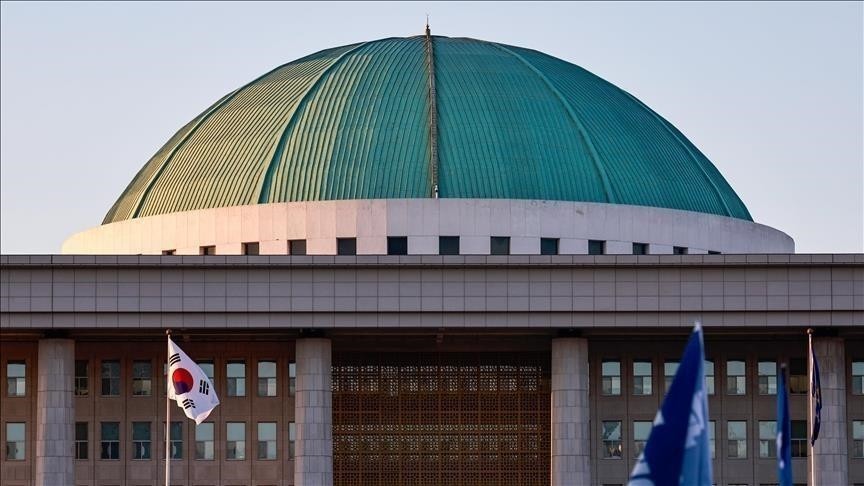
South Korea has historically taken a cautious (and at times hostile) stance toward crypto. That posture appears to be changing.
Following earlier proposals to loosen restrictions on institutional crypto investment, the ruling Democratic Party has pledged to introduce the country’s first comprehensive crypto bill before Lunar New Year on February 17.
The draft legislation would classify digital asset activities into eight categories, with only a limited set of “high-risk” activities requiring regulatory authorization. It would also establish capital requirements for issuers.
Why it matters: South Korea is a major, tech-forward economy with deep retail and institutional interest in crypto. Its shift adds to a growing list of formerly skeptical jurisdictions embracing regulatory clarity, alongside Japan, Hong Kong, and Singapore.
Binance seeks a fast-track return to the EU

After exiting the EU market in 2023 amid sweeping regulatory and legal challenges, Binance is back and applying for a MiCAR license through Greek authorities.
The exchange has publicly praised MiCAR and is pursuing an expedited approval process, signaling confidence in its revamped compliance and governance framework following a $4.3B settlement with U.S. regulators.
Why it matters: Binance’s return to Europe isn’t just another licensing story. It signals a full strategic reset by the world’s largest exchange and raises the prospect of renewed competition for incumbents like Coinbase and Bybit. It may also foreshadow an eventual attempt to reenter the U.S. market.
Closing thoughts
The next phase of crypto regulation won’t be defined by new bills or bold announcements, but rather by execution. The jurisdictions that can translate frameworks into workable rules will be the ones who attract talent and capital. Those that remain stuck in political deadlock or perpetual redesign risk falling behind, regardless of intent.
It’s a messy process, and the direction of travel can seem unclear. But through fits and starts, we’re beginning to see the contours of durable regulatory regimes–at least in some places.
Want more like this? Subscribe to Mesh Weekly.


.png)
.png)

.png)



.png)

.png)




.png)


.png)






%20(1).png)






















.png)
.png)
.png)
.png)
.png)
.png)
.png)
.png)

.png)