.svg)

.svg)
June 21, 2025
How we build trust through UX design
The following is by Mesh Head of UX, Ana Shaposhnyk
Unlike traditional Web2 payments, where flows are predictable and forgiving, crypto payments can feel fragmented and uncertain—shifting across wallets, networks, and interfaces with inconsistent logic and minimal guidance.
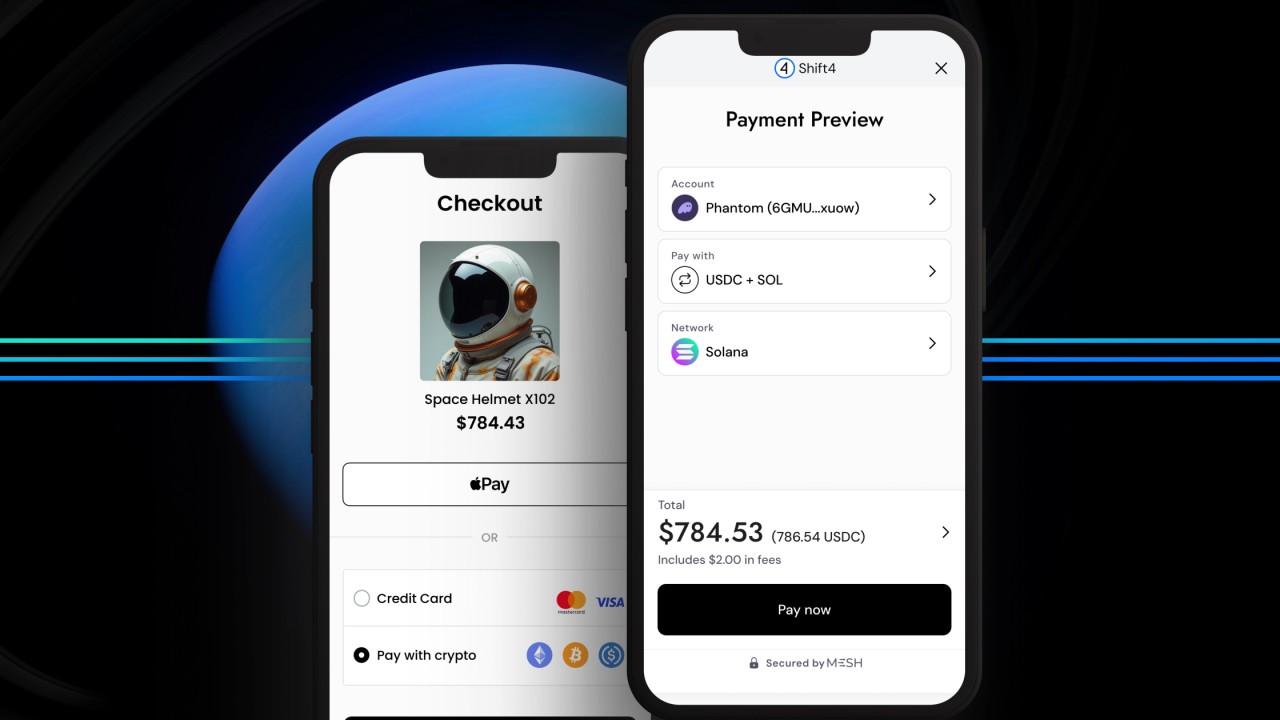
From a design perspective, this poses many challenges. But it also presents opportunities: by leveraging familiar Web2 mental models - such as intuitive checkout processes and clear confirmation prompts - we’ve been able to craft payment flows that feel instantly recognizable and trustworthy to users.
This article outlines three ways Mesh has designed our payments flows to feel just as seamless as any trusted Web2 experience.
1. Translate trusted Web2 patterns into crypto flows
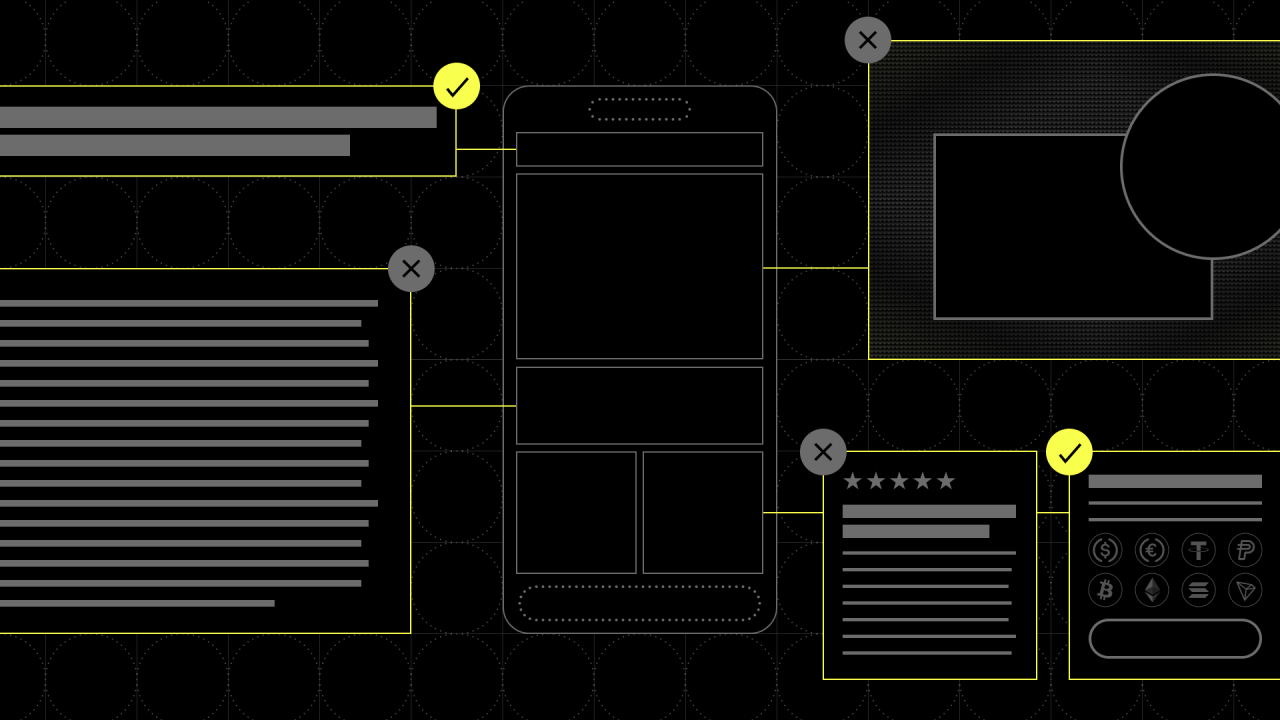
Web2 payment experiences feel smooth because they follow familiar patterns people trust. To replicate that at Mesh, we started by asking a simple question: What is it that makes traditional payments so trustworthy?
After extensive research, we landed on four key themes:
- Familiar language, which reinforces trust and security.
- Concise instructions, which reassures users and guides them to next steps.
- Real-time feedback, which builds confidence during processing.
- Clear, editable payment summaries, which make users feel in control.
We then mapped these expectations to crypto flows, noting where things break down and designing around those gaps.
The result? A payment experience that feels recognizable and reassuring, even if the underlying tech is new to the user.
2. Turn risky network choices into smart defaults
Network selection is one of crypto’s riskiest friction points. Choose wrong, and a user faces failed transactions or unexpected gas fees.
Our solution was to auto-select the best network for each transaction based on the user’s wallet and what’s optimal. This removes unnecessary friction while still giving advanced users the option to change.
It’s a small shift, but it has an outsized impact: network auto-select transforms a high-risk setup step into a seamless part of the journey.
3. Convert wallet balances into payment power
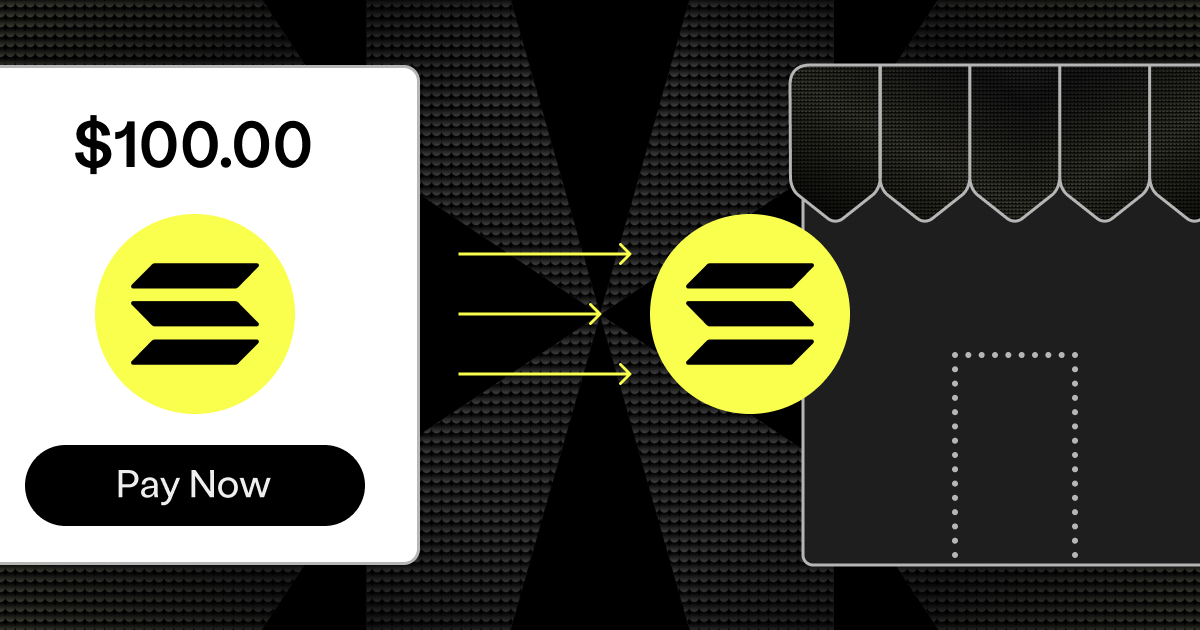
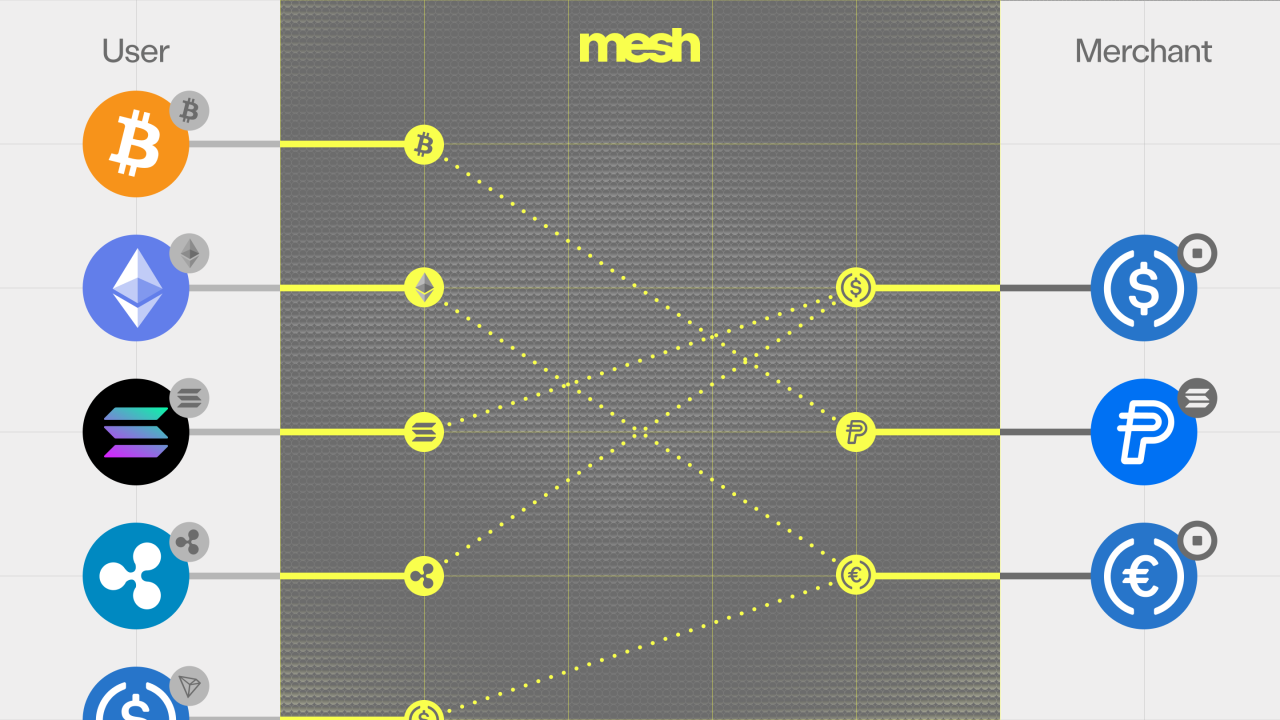
Many users get stuck when they don’t have the right token (or enough of it) to complete a transaction. Our SmartFunding feature solves this by allowing token swaps within the payment flow.
If a user’s wallet doesn’t have enough of the requested asset, Mesh:
- retrieves their available tokens
- finds real-time swap quotes
- lets them top up using what they already hold
From a design perspective, this means making the entire swap process feel clear, intentional, and safe. We minimize steps, reduce technical friction, and explain why each token is chosen, empowering users to proceed with confidence.
Designing trust into every step
Designing for trust in crypto payments means bridging the gap between what users expect and what the system requires. It’s about doing the hard work behind the scenes so users don’t feel the weight of it.
When we get it right, we unlock not just successful transactions, but improved user confidence, system reliability, and long-term adoption. That’s a pretty solid return for a bit of careful work.
Want more like this? Subscribe to Mesh Weekly.


.png)
.png)
.png)

.png)

.png)
.png)

.png)


%20(1).png)













.png)
.png)
.png)
.png)
.png)
.png)
.png)
.png)

.png)