.svg)

.svg)

October 25, 2025
5 regulatory trends to watch in Q4
The following is by Mesh Head of Legal Steve Aquino and Associate Counsel Jasper Williams Jr, JD, MBA
The last year has seen a crypto regulation rush like never before. With new products shipping, usage rising, and regulators scrambling to keep up, the landscape feels like it’s shifting faster than ever.
As we zoom into the final quarter of 2025, here are a few regulatory trends you’ll want to keep an eye on.
Altcoin ETF approvals are gaining momentum
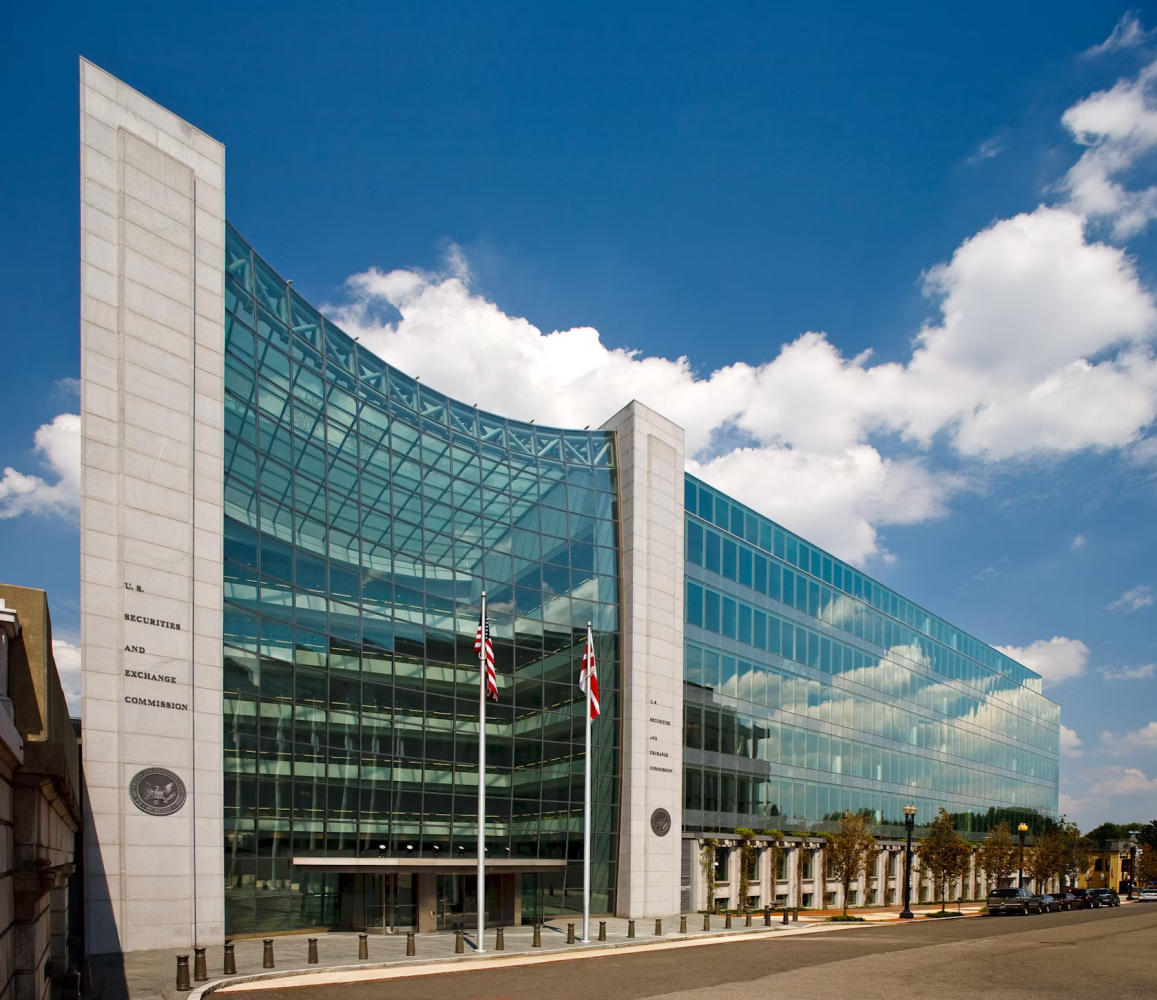
The SEC will decide on 16 altcoin ETF filings from major issuers such as Grayscale, 21Shares, Bitwise, WisdomTree, Franklin Templeton, and Canary Capital. These ETFs will be for Solana, Litecoin, and XRP products.
Why it matters: These decisions will set the tone for institutional exposure beyond Bitcoin and Ethereum.
The SEC has also recently made it easier for stock exchanges like Nasdaq, Cboe, and NYSE Arca to list crypto investment products (including ETFs) without needing to go through a long approval process for each one.
As long as the crypto asset has an active futures market for at least six months, it can qualify for faster listing under these new rules.
Why it matters: This change could open the floodgates for many new types of crypto ETFs, including products based on staking, leverage, and income strategies. This will in turn make it easier for institutions and everyday investors to access the broader crypto market.
Interest rate cuts could spark crypto investment

Major central banks have cut interest rates this year, with more potential cuts coming this quarter.
US Federal Reserve governor Michelle Bowman says she expects to see two more cuts before the end of the year, totaling 50 basis points before the year ends.
Regulators in the UK and the EU will also consider further cuts at their November and December meetings after reducing rates by 75 basis points so far this year.
Why it matters: We wouldn't be surprised if lower rates pushed consumers to seek higher yields in DeFi or alternative products. As a recent Coinbase report noted, rate cuts could cause investors "to put to work some of the $7T that is currently parked in money market funds."
The UK will move forward with crypto regs (as the US loses steam)

Last month, the UK's FCA published its third consultation paper of 2025, with comments set to close in November.
That means the FCA has now released draft rules on stablecoin issuance, custody, prudential requirements, and how its existing handbook will apply to regulated crypto activities. Draft legislation will potentially be put forward to Parliament by the end of the year, and final rules set to be released in early 2026.
In the US, meanwhile, progress on market-structure legislation is at a "standstill" in the Senate after the House passed the CLARITY Act this summer with strong bipartisan support.
Senate Democrats revealed draft legislation earlier this month, but industry groups pushed back, calling it "neither workable nor consistent with American innovation."
Crypto execs met with Senators this week to re-ignite talks on the bill. With the government shutdown in progress and other potential priorities in place, policymakers and industry leaders will have to break the stalemate quickly to deliver legislation in Q4.
Why it matters: We could end up seeing final rules in the UK before the US, giving the UK the advantage in terms of regulatory clarity. Any prolonged delays in the US risk pushing us ever closer to the 2026 midterms, which could bring a rebalancing in Congress.
Corporate crypto treasuries are triggering new oversight

More companies are putting crypto on their balance sheets, not just as an investment, but as a core part of their strategy.
Firms like Metaplanet, Strategy, and BitMine are purpose-built for crypto treasury plays. Tesla, Coinbase, and Block also hold Bitcoin and other digital assets as reserves.
Public companies now hold more than 850,000 BTC (worth >$91B)–a trend being likened to the Special Purpose Acquisition Company (SPACs) boom of 2020 and 2021.
Regulators and rulemakers are stepping in. In the US, the SEC and FINRA are reportedly probing some 200 companies, while stock exchanges in Hong Kong, India, and Australia are looking to either tighten their listing standards for treasury companies or completely block them altogether.
Earlier this month, MCSI, one of the world's largest index providers, issued a consultation call on a proposal to ban companies whose digital asset holdings represent 50% or more of their total assets.
Why it matters: Increased regulatory scrutiny and stricter listing rules could limit companies’ ability to raise capital, potentially reducing investor demand and slowing growth in this space.
TradFi is moving on-chain faster than regulators can keep up

Traditional finance firms are going all-in on digital assets.
BlackRock, with over $13 trillion AUM, recently said the tokenization of real-world assets - from stocks to real estate - is “inevitable.” Banks and payment companies are racing to issue their own stablecoins and move traditional assets on-chain.
This shift creates entirely new financial infrastructure, which millions of users will interact with, often without realizing they’re using blockchain tech. But regulators haven’t yet decided how to treat this hybrid ecosystem or whether it needs its own tailored rulebook.
Why it matters: With TradFi going on-chain, regulators face a choice: adapt fast, or risk falling behind the pace of innovation.
🎖️ Honorable mentions 🎖️
More stablecoin regulations are coming… is India next?
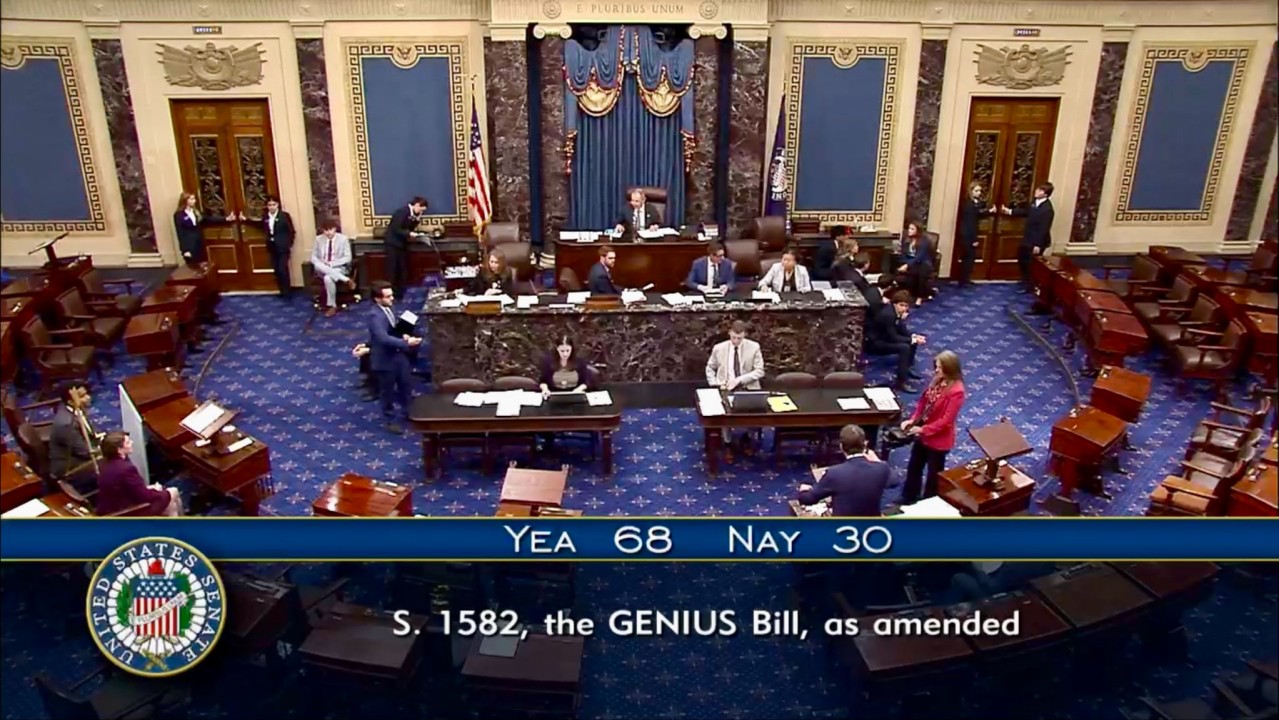
Governments worldwide are racing to regulate stablecoins. The US led the way with the GENIUS Act, making stablecoins a key part of the financial future. South Korea and Australia are moving quickly to finalize their own rules.
India, known for its crypto skepticism, could be a game changer. Its finance minister recently warned that stablecoin adoption may force the country to rethink its monetary system.
Why it matters: Stablecoin demand is surging, but most major economies lack clear regulations. If India steps in, it could trigger a wave of global adoption.
Yield restrictions are shaping stablecoin competitiveness
Offering yield on stablecoins is a hot topic. US legislation bans issuers from paying interest to avoid risks to traditional banks. The EU, Japan, and Hong Kong have similar limits. Meanwhile, places like Abu Dhabi and Singapore allow regulated yield-bearing stablecoins.
Why it matters: Stricter rules are pushing capital toward DeFi and tokenized money markets where users can still earn on-chain yields.
Closing thoughts
As regulatory momentum builds heading into the final few months of the year, it’s clear that the crypto space is at an inflection point. Decisions made over the next few months will likely influence everything from institutional adoption to the evolution of DeFi and stablecoins.
The pace of change is brisk, but it also offers an important opportunity to establish frameworks that will shape the industry for years to come.
Want more like this? Subscribe to Mesh Weekly.


.png)
.png)

.png)



.png)


.png)




.png)



.png)







%20(1).png)























.png)
.png)
.png)
.png)
.png)
.png)
.png)
.png)

.png)