.svg)

.svg)

November 29, 2025
The UK’s new stablecoin framework explained
The following is by Mesh Head of Legal Steve Aquino
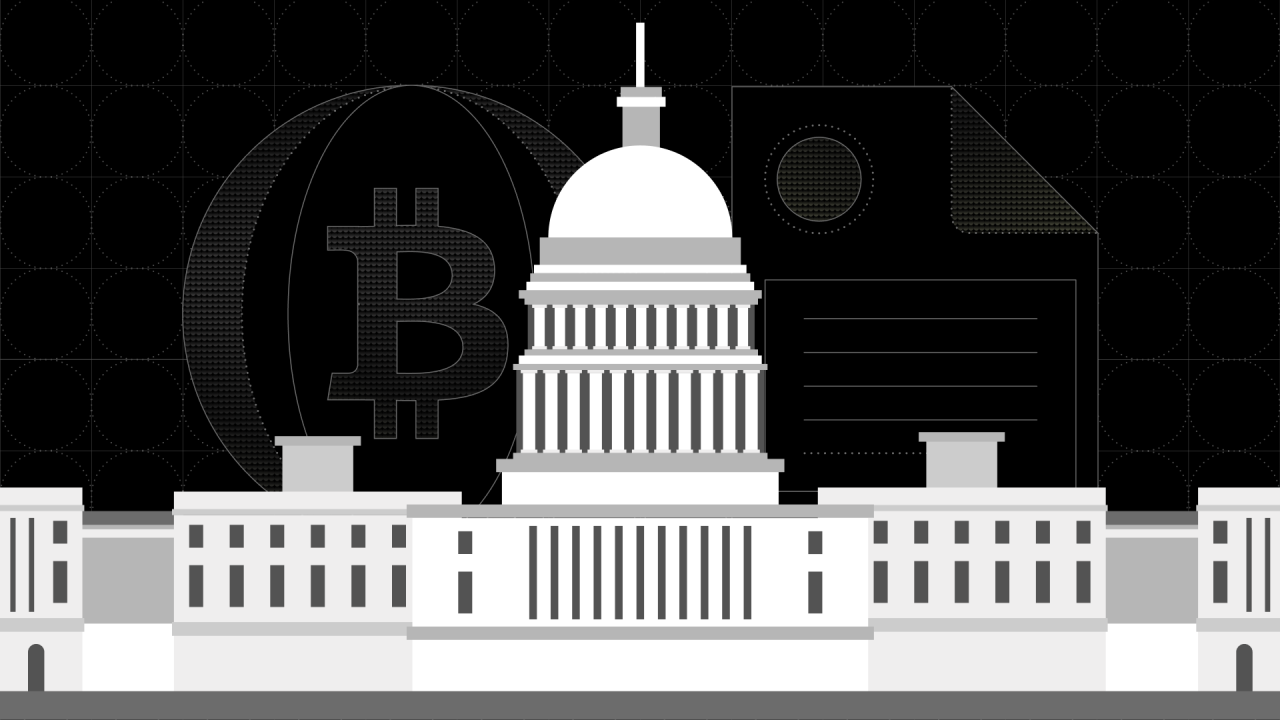
When it comes to stablecoin regulations, no one can accuse UK rulemakers of haste.
The Bank of England first published its discussion paper on a stablecoin regime back in 2023. After the consultation closed, the industry waited and waited for proposed regulations until finally, earlier this month (more than two years after the original draft) the BoE opened a consultation on its proposed regime for sterling-denominated stablecoins. The consultation ends this February, strongly suggesting we’ll see final rules in 2026.
Here’s all you need to know from the BoE’s long-awaited proposal.
Who is affected?
The BoE’s proposal targets issuers of “systemic” pound-denominated stablecoins.
Under UK law, His Majesty’s Treasury (HMT) has the authority to deem a stablecoin “systemic” if it 1) becomes widely used in payments and 2) may pose financial-stability risks.
Once designated, the coin and its issuer fall under the BoE’s (and the FCA’s) remit.
Interestingly, the BoE’s definition appears broad: a “systemic stablecoin issuer” could include any “recognized payment system or service provider” that issues the coin. The boundaries are not entirely clear.
Equally notable is what the proposal does not cover: non-sterling stablecoins like USDT and USDC, which remain under the FCA. The BoE argues these pose only “limited” systemic risk today, but it leaves the door open for later intervention if usage grows.
Why it matters: The BoE giving itself broad discretion means major global issuers could one day face UK oversight (even if they’re headquartered elsewhere).
Holding limits
Here’s the lightning-rod issue: The BoE proposes caps on how much individuals and businesses can hold of each systemic stablecoin. These caps are £20,000 for retail and £10M for businesses. Some firms may receive exemptions, but details are thin.
The Bank frames these caps as temporary, meant to reduce stress on banks from large fiat outflows into stablecoins. But critics argue no other major jurisdiction has adopted anything similar, and for good reason. The operational challenges alone are significant. Issuers would need visibility into all wallets a user controls and somehow enforce limits across them. That’s a major technical headache.
Adding to these concerns, the BoE notes it has a “low risk appetite” for a major shift from settlement in central-bank money to privately-issued money. That suggests the cap may be more than a short-term measure.
Why it matters: These caps could impede institutional and cross-border use cases. If volumes can’t scale, UK-regulated stablecoins may struggle to achieve network effects.
No yields for holders
In line with the U.S. GENIUS Act and the EU’s MiCAR, the BoE proposes banning yield for simply holding a systemic stablecoin. The Bank argues these coins should be used for payments, not as investment vehicles.
The BoE is still considering whether issuers may offer rewards tied to usage rather than idle holdings. But for now, yield-generating features are off the table.
Why it matters: Banning yield reduces the competitive edge of regulated stablecoins relative to money-market funds or even tokenized UK government debt. That could limit adoption unless other benefits - like payment efficiency - clearly outweigh lost returns.
Backing assets
The BoE’s 2023 draft required 100% backing with non-interest-bearing deposits at the Bank–a model that critics said would make issuance economically impossible.
The new proposal is more flexible. Issuers can hold up to 60% of reserves in short-term UK government debt. The remaining 40% must still be held as unremunerated deposits at the Bank.
While this more flexible approach is still far more conservative than what we see in the U.S. (where issuers can hold 100% in yield-bearing assets), it might be the closest thing the industry gets to a win from the consultation. Large, systemic issuers could end up with billions in interest-free deposits sitting at the BoE.
Why it matters: The 60/40 split improves viability but still constrains stablecoin business models. Profitability will hinge on scale, meaning only the biggest issuers may find UK operations worthwhile.
Closing thoughts
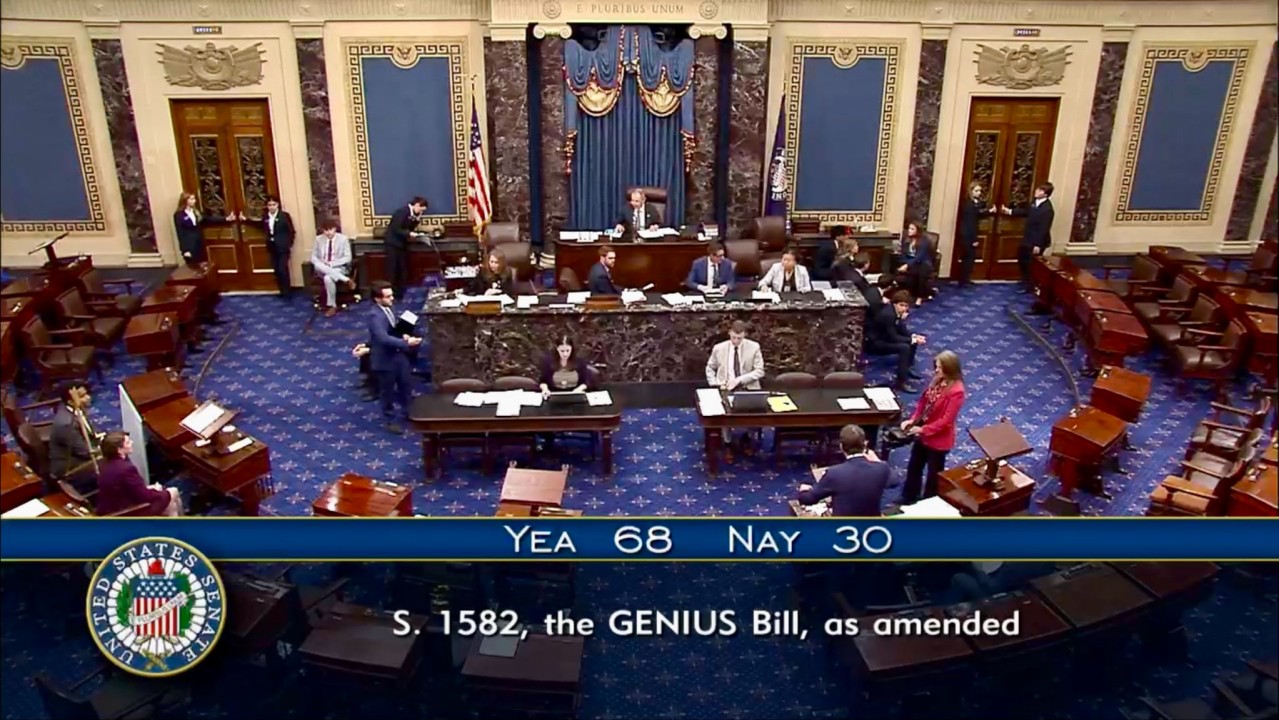
These rules have been a long time coming. Since the BoE published its 2023 draft, the U.S. has already proposed, debated, and passed stablecoin legislation. The UK is only now moving toward finalization of its regulatory regime.
Still, when the final framework lands next year it will mark a major milestone. With London as a global financial hub, a functional stablecoin regulatory regime could shape how digital money markets evolve across Europe and beyond. Clear rules, even restrictive ones, can unlock institutional demand. But if the caps and liquidity requirements remain too tight, the UK risks limiting innovation just as stablecoin usage is entering a global scaling phase.
Want more like this? Subscribe to Mesh Weekly.


.png)
.png)

.png)



.png)


.png)




.png)




.png)






%20(1).png)




























.png)
.png)
.png)
.png)
.png)
.png)
.png)
.png)

.png)