.svg)

.svg)

January 24, 2026
Blockchain represents the biggest opportunity for loyalty program innovation
If you purchased something from a supermarket, drugstore, or gas station in early 20th century America, the store clerk may have handed you some stamps along with your change. These weren’t collector’s items (although they certainly are today), but rather loyalty points: gather enough stamps and you could redeem them for discounts and merchandise.
While there were many “trading stamps” programs back then - Gold Bond Stamps, Plaid Stamps, Blue Chip Stamps - the most prominent was S&H Green Stamps from the Sperry & Hutchinson company. Across the U.S., Green Stamps were issued in denominations of one, 10, and 50 points. Customers put the stamps into a free “Saver Book” (which held up to 1,200 stamps), then exchanged them for products from supported stores or the S&H catalog.
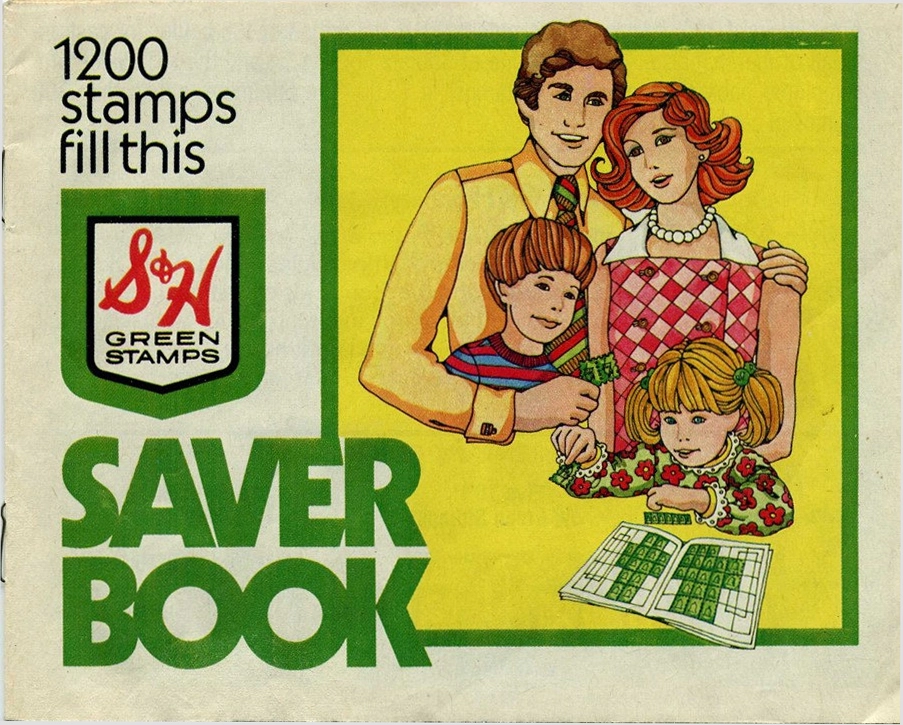
S&H Green Stamps was the proto-loyalty program, and it was hugely successful. It ran for 84 years, awarded over $10 billion dollars in merchandise, and produced three times more stamps than the U.S. Post Office. At one point, the S&H catalog was the largest publication in the U.S.
Nowadays, loyalty programs are everywhere:
- The average American is enrolled in approximately 14 loyalty programs.
- 38% of Britons and 41% of Americans sign up for loyalty programs whenever they're offered.
- Sephora’s Beauty Insider program boasts 25 million members.
- Hilton Honors has nearly 150 million members.
- Starbucks Rewards (one of the most successful loyalty programs of all time) drives 50-60% of the company’s business.
Entire industries rely on loyalty programs. Where would the airline industry be without frequent flyer miles? Or major grocery chains without reward points? What began as stamps is now the lifeblood of many consumer-facing businesses.
The technology of loyalty
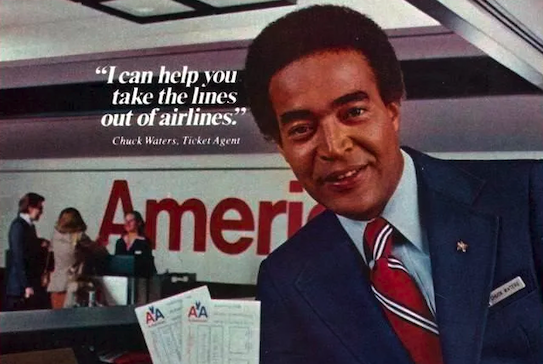
Despite its success, S&H Green Stamps was exceptionally low-tech. In fact, its most advanced machinery was a black light used to uncover counterfeits. Imagine if S&H had the technology to monitor spending habits in real-time, or geolocate regions where it should ramp up marketing efforts. How much more successful could it have been?
Today’s loyalty programs have all that. They're like S&H Green Stamps on steroids:
- CVS collects reams of information on customers both online and in-store, which it then uses to send personalized deals to its ExtraCare members.
- Macy's sends targeted discounts via Bluetooth to shoppers who walk through certain sections of their department store (e.g., the handbags section).
- Amazon uses AI and machine learning algorithms to parse through purchase history and product reviews so it can improve the user experience for its Prime members.
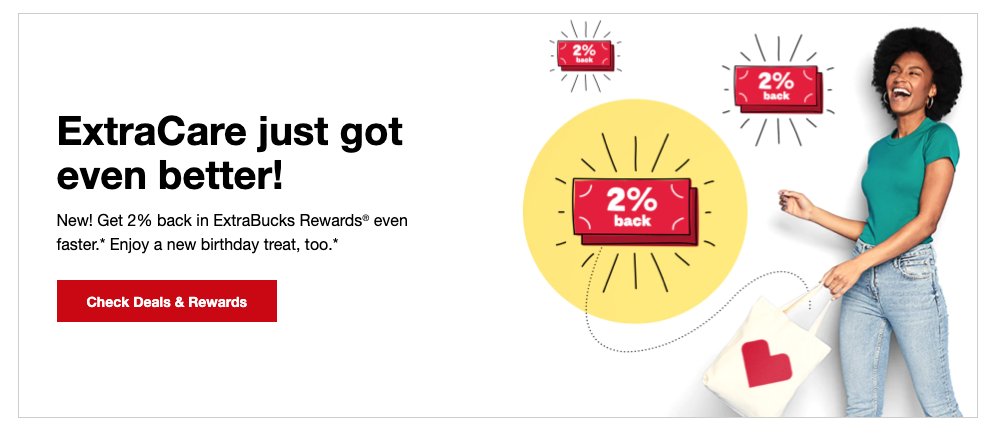
The one thing all this tech has in common is that it provides businesses with richer customer data. That's crucial, because when loyalty programs are data-driven, both sides of the transaction benefit: customers get more personalized deals and experiences, and businesses profit. In other words, if the technology of loyalty programs is doing what it should, all parties come out on top. It’s win-win.
The blockchain breakthrough
Blockchain represents the biggest win-win innovation in how loyalty programs are built, operated, and scaled. There are three areas where its impact will be especially transformative: customer engagement, transparency, and interoperability.
Customer engagement
Just as a vending machine is programmed to release a can of Pepsi when the correct amount of money is inserted, smart contracts are programmed to execute the terms of an agreement when the correct conditions are met.
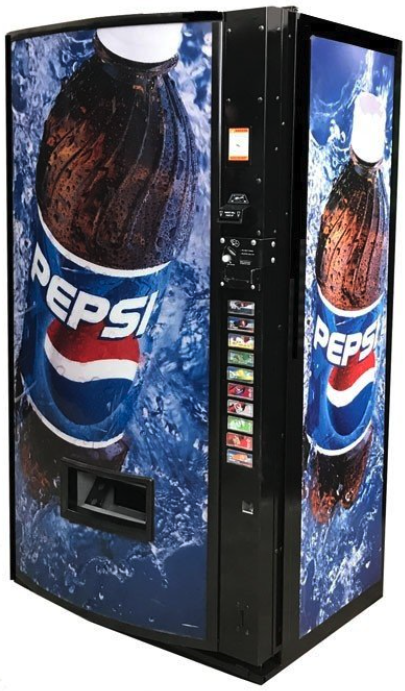
In the context of loyalty programs, a smart contract can:
- Automatically create a digital wallet and issue loyalty tokens when a customer enrolls
- Trigger personalized offers, discounts, rewards, or airdrops based on user behavior
- Unlock new benefits as customers reach milestones or interact with specific products
- Coordinate multi-step experiences, where one action enables the next
The possibilities are endless: this door opens that door, which opens another door and so on.
When used to their full potential, smart contracts can make loyalty programs much more engaging. They allow programs to be precisely tailored around individual preferences and behaviors, making people feel recognized and appreciated for their unique loyalty. Plus, customers are more likely to stick with programs that better align with their identities and incentives.
Transparency
The blockchain maintains a complete history of past transactions, which anyone can track. Why does this matter for loyalty programs?
You could ask the pseudonymous “Mr. K”, who in 2022 wrote to the British newspaper The i about his experience with the Nectar Card program run by Britain’s second largest grocery chain, Sainsbury’s.
“I recently tried to redeem my points against my Sainsbury’s bill but it wouldn’t work,” he wrote. “On closer inspection, I found the points total on my account was a negative number. My son has a separate Nectar card and has lost all his points also.”
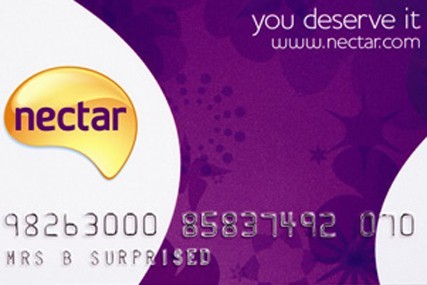
Mr. K had nearly 12,000 Nectar points stolen, roughly equivalent to £60.
Others also complained about Nectar Card fraud on social media. But how many others never thought to check? Most people simply put blind faith in whatever is being told to them at the checkout counter.
Transparency in blockchain-based loyalty programs removes the need for blind trust in centralized entities. Anyone can independently verify transactions and track the movement of loyalty points, ensuring fairness and accountability.
Interoperability
Finally, putting loyalty points on-chain fundamentally upgrades the loyalty program value proposition. Instead of being locked into a single brand’s ecosystem, customers can exchange loyalty tokens across platforms and marketplaces.
Consider a customer holding a large balance of airline points but unable to travel. Their choices are often limited to low-value redemptions in a rewards catalog (e.g. a luggage tag or umbrella) rather than flexible, real-world alternatives. Tokenization changes this dynamic. If loyalty points were on-chain they could be sold on secondary marketplaces or exchanged for other goods, services, or credits across ecosystems.
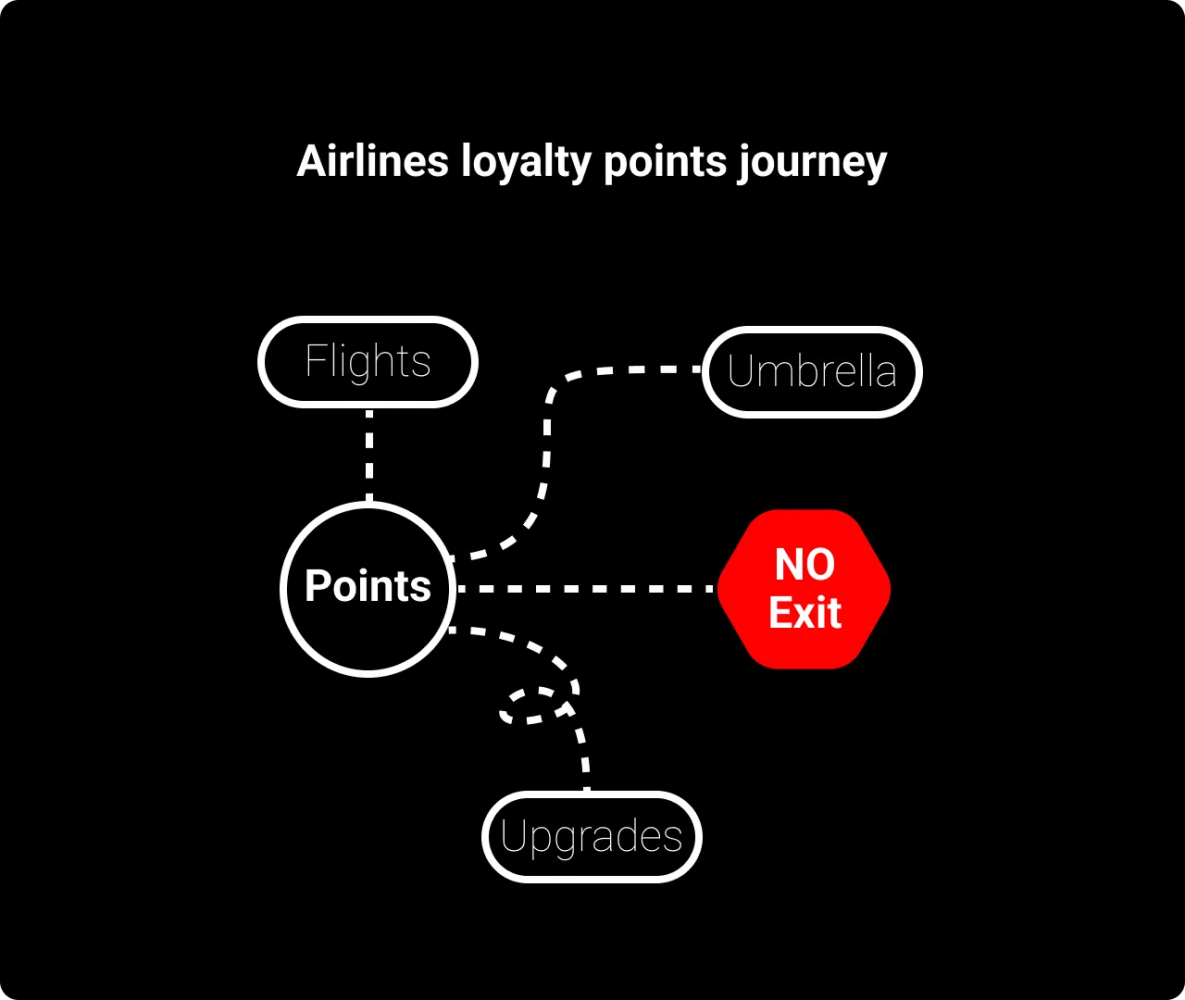
In other words, tokenizing loyalty programs not only opens up new possibilities, it opens up new markets. And that’s the critical shift: when loyalty points become tokens, they're no longer just rewards–they’re programmable value that can be traded across platforms or serve as payment. This is the tokenized future Mesh is building toward, where any asset of value can be used in transactions.
Closing thoughts
Sam Walton famously said there’s only one boss at every company, the customer, and he or she can fire everybody by taking their money elsewhere. Loyalty programs exist to prevent exactly that outcome: they build trust, encourage repeat behavior, and strengthen the relationship between businesses and the people they serve.
Blockchain technology fundamentally enhances these core functions. By making loyalty programs more engaging, transparent, and flexible, it allows companies to deliver real value to customers rather than empty incentives. As expectations continue to rise, the organizations that rethink loyalty through this lens will be best positioned to unlock new value and avoid being fired by the only boss that truly matters.
Want more like this? Subscribe to Mesh Weekly.


.png)
.png)

.png)



.png)


.png)


.png)


.png)




%20(1).png)












.png)
.png)
.png)
.png)
.png)
.png)
.png)
.png)

.png)