.svg)

.svg)
August 28, 2025
How to nail engineering onboarding
The following is by Mesh CTO, Arjun Mukherjee
Most engineering onboarding programs fail because they focus on the wrong things. New hires spend weeks in meetings only to ship their first meaningful code months later.
At Mesh, we flipped this approach entirely. Our "1B2" onboarding (starting first week for two weeks) gets every new engineer to accomplish four critical things in their first two weeks:
- Build an end-to-end app using our own products
- Run manual tests
- Execute automated wallet tests
- Ship code to production
The results? Engineers who truly understand our customers, contribute immediately, and thrive in our fast-moving environment.
A program like 1B2 doesn’t just run itself–it needs clear principles to guide it. We arrived at three that we believe lay the groundwork for engineers to succeed from day one.
1. Client empathy
Client empathy = Putting oneself in the customers’ shoes
Problem: Most engineers join a company and immediately dive into internal codebases. They learn the implementation details before understanding the customer experience. This creates a fundamental disconnect that haunts product decisions for months.
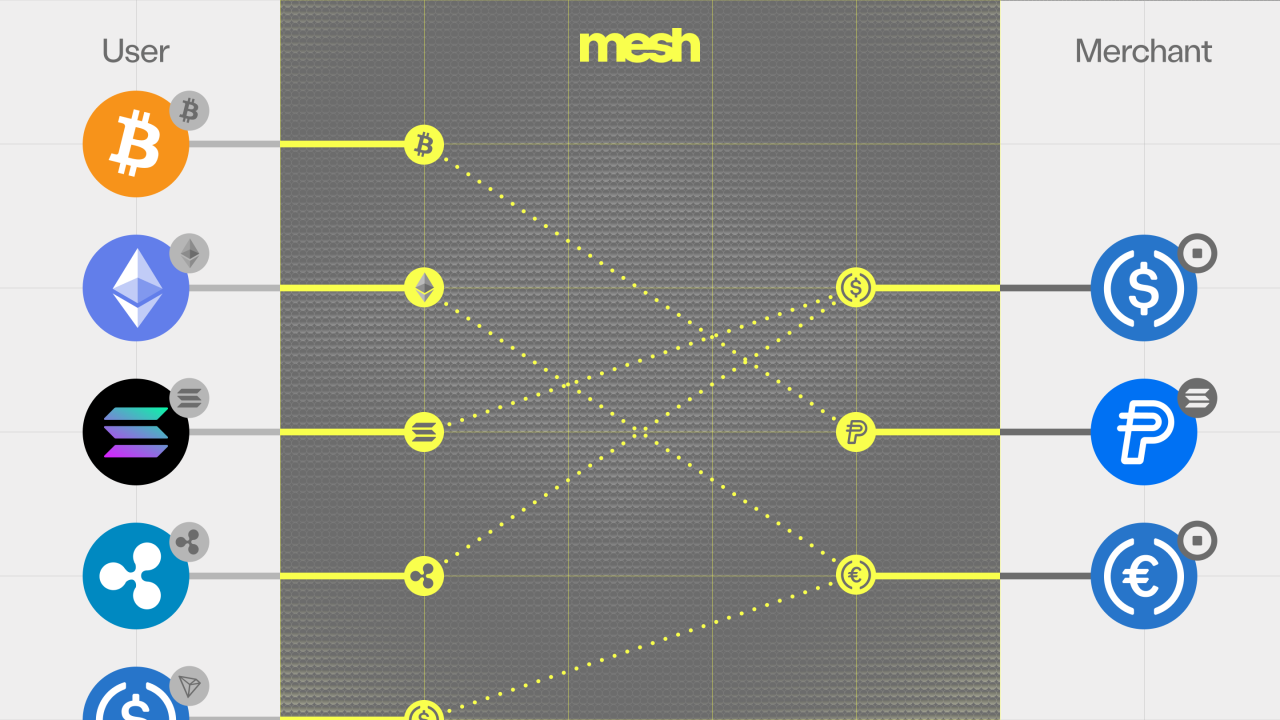
Solution: Before touching a single line of our internal code, new engineers must build a complete application using our APIs exactly like our customers do. They connect to exchanges like Coinbase and Binance, implement self-custody wallet integration with Rainbow or MetaMask, read portfolio data, and execute transfers.
The magic happens when they hit the same friction points our customers face. Unclear documentation becomes obvious and API inconsistencies begin to surface. The difference between what we think we built and what we actually shipped becomes crystal clear.
Impact: Every new engineer finds issues and suggests improvements. Our documentation gets better, our APIs become more intuitive, and our developer experience improves with each cohort. Fresh eyes are our best QA.
2. Speed to impact
Speed to impact = Shipping real code, fast
Problem: Traditional onboarding treats new hires like they're fragile. There are weeks of shadowing, reading, and "getting familiar" before they're trusted with real work.
Solution: By day 11 of our 2-week program, engineers are working on real production tasks. We maintain a curated backlog of "starter tasks". New hires choose their own task, ideally outside their assigned team to meet more people and learn different parts of the system.
We’ve found that engineers learn faster when the stakes are real. When your code serves actual users, you naturally ask better questions, write more careful tests, and think through edge cases.
Impact: Every engineer ships production code within their first two weeks. They experience our entire development lifecycle - build, test, deploy, monitor - before they even join their team. They start week three with confidence and momentum, and don’t have any anxiety about when they'll be "ready" to contribute.
3. Self-Sufficiency
Self-sufficiency = Learning to unblock yourself
Problem: Startups move fast, but new engineers often come from larger companies where getting unstuck means scheduling meetings or waiting for mentors. This creates dependencies that slow everyone down.
Solution: We teach self-sufficiency as a core skill by giving engineers the tools and frameworks they need to unblock themselves:
- Public questions by default: All onboarding questions go in our #eng-onboarding channel, not DMs. This creates a searchable knowledge base and normalizes openly asking for help.
- Multi-source problem solving: When stuck, engineers must review the documentation, check similar code in our repos, ask in channels, or reach out to ticket reporters directly.
- Ownership mindset: Each task comes with context about the "why," not just the "what." Engineers are expected to understand business impact and make judgment calls, not just follow instructions.
Impact: Within their first two weeks, new engineers are routinely solving real customer issues without creating drag on the rest of the team. This shift has reduced hand-holding and improved overall team velocity.
Closing thoughts
If there’s one thing 1B2 has proven, it’s that it works.
The startup world moves too fast for traditional onboarding approaches. Engineers need to contribute quickly, think like customers, and unblock themselves. If you raise those expectations early and build your onboarding program with that in mind, I guarantee you’ll create not just better engineers, but a culture of speed, ownership, and trust.
Want more like this? Subscribe to Mesh Weekly.


.png)
.png)

.png)


.png)


.png)




.png)




.png)






%20(1).png)























.png)
.png)
.png)
.png)
.png)
.png)
.png)
.png)

.png)