.svg)

.svg)
March 7, 2026
Is crypto's word salad freezing innovation?
"What's in a name? That which we call a rose / By any other word would smell as sweet" - Romeo and Juliet
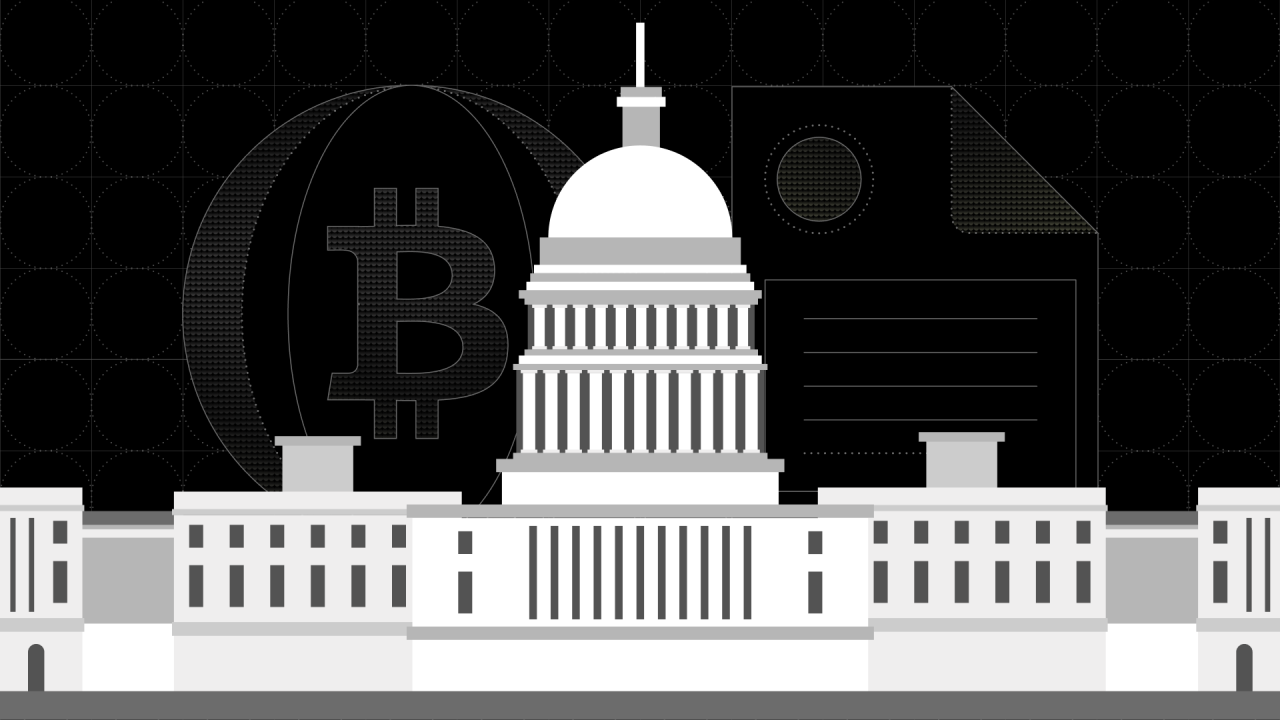
Policymakers in Washington are still busy debating the CLARITY Act: a proposal aimed at drawing clearer lines between securities, commodities, and regulatory jurisdiction in crypto markets. Supporters argue it will finally bring long-awaited structure to the industry, while critics warn that the bill’s definitions could entrench new problems under the banner of clarity.
The debate reveals something fundamental in crypto: words matter. While Juliet’s sentiment quoted above may be true in Shakespeare’s Verona, terminology is anything but symbolic in crypto markets. Is XRP a “security”? This took five years and cost Ripple over $150M to litigate. Is Bitcoin “money” or “capital”? A Standard Bank client in South Africa went bankrupt over the matter.
Tax labels open up another can of worms. In France crypto is taxed as “movable property” whereas in Japan it’s “miscellaneous income”. There are even different tax labels within various countries, such as the U.S. It’s enough to make anyone’s head spin.
Lost in translation
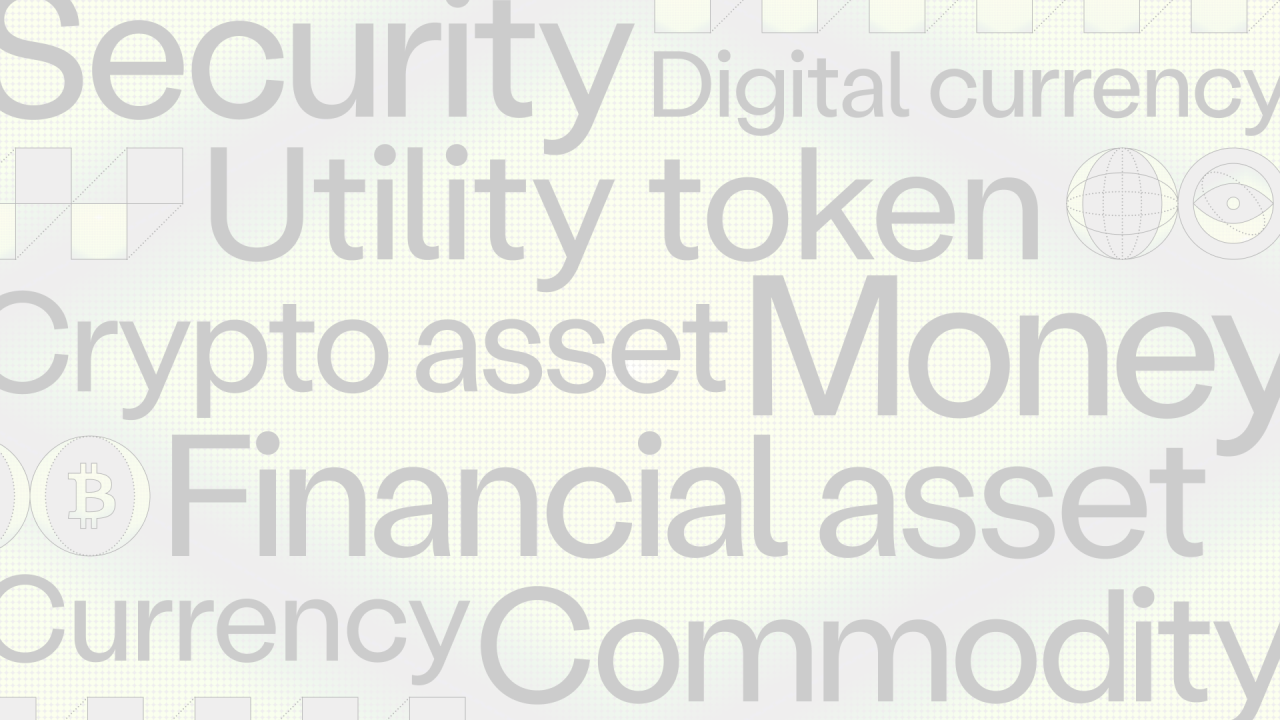
What emerges from this word salad is a lack of shared understanding around fundamental concepts. This collective confusion can have serious consequences: users afraid to move their assets, companies under- or over-complying, and innovation slowing to a crawl.
There are essentially two solutions:
1. Influence lawmakers to clarify terms
2. Build better infrastructure
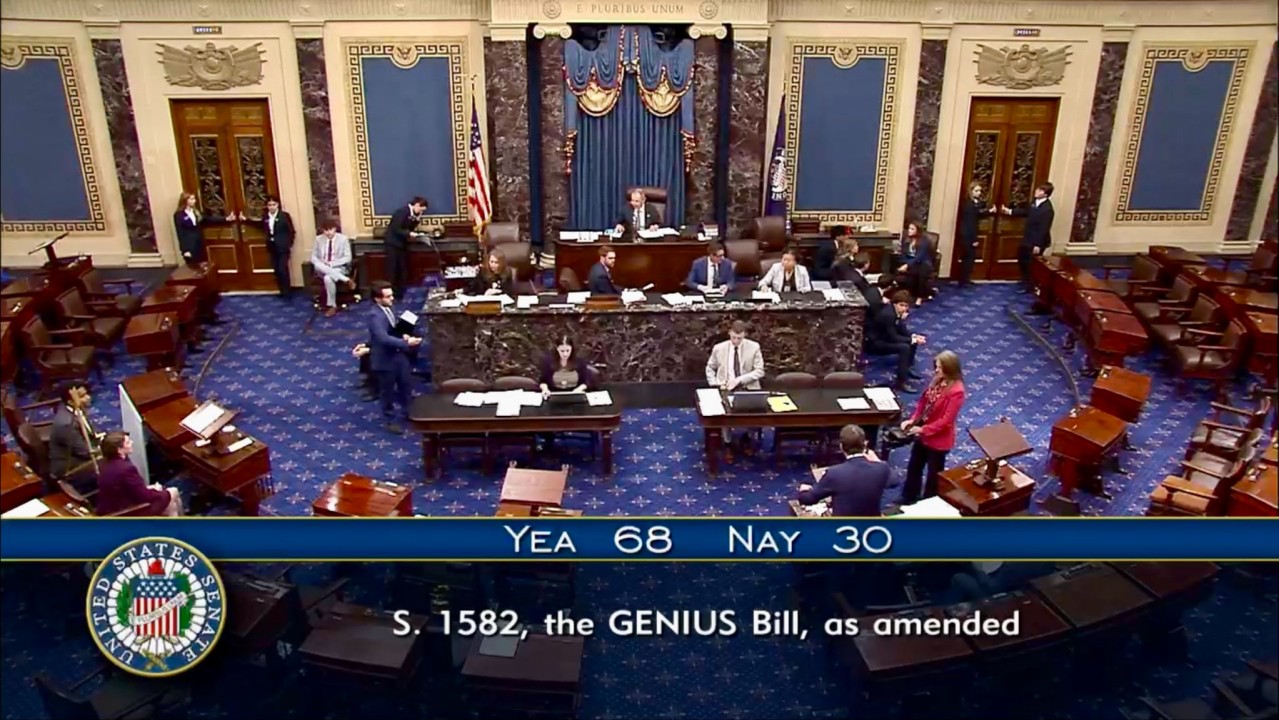
The first option - lobbying - can certainly be effective. Last year, Mesh’s co-founder and COO, Adam Israel, met with members of Congress to advocate for clearer definitions of terms such as “stablecoin” and “digital asset.” Shortly thereafter the GENIUS Act advanced through the Senate.
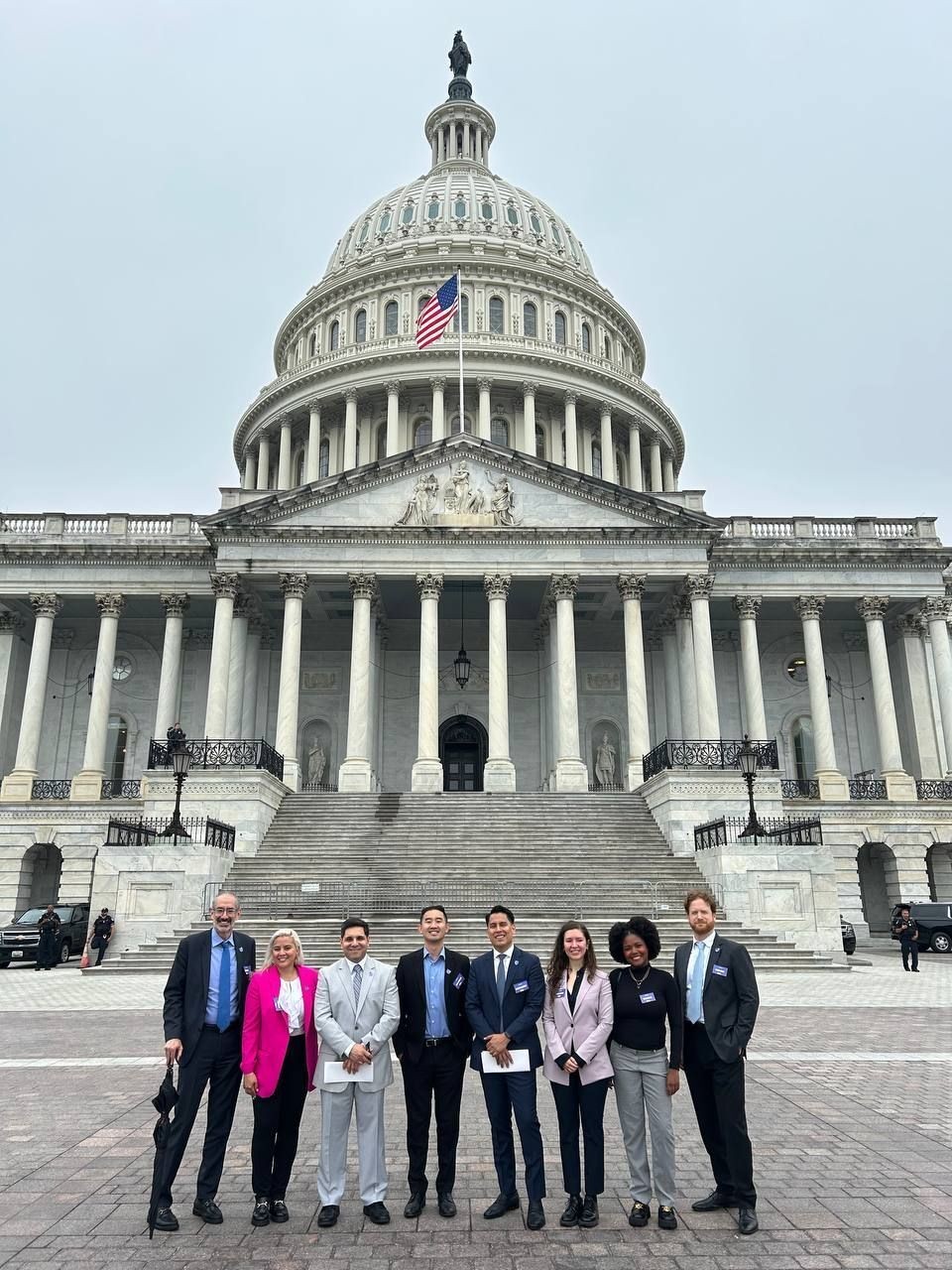
Obviously no single voice drives legislation, but Adam contributed to the sort of conversations that helped push the bill over the line, proving that basic advocacy remains a meaningful lever.
The more durable solution, however, is to build infrastructure that is resilient to semantic change. Startups like ours are working toward that goal by designing payment systems that operate independently of shifting terminology.
Building around ambiguity
The goal shouldn’t be to resolve semantic debates once and for all, but to ensure that commerce can keep moving while they unfold.
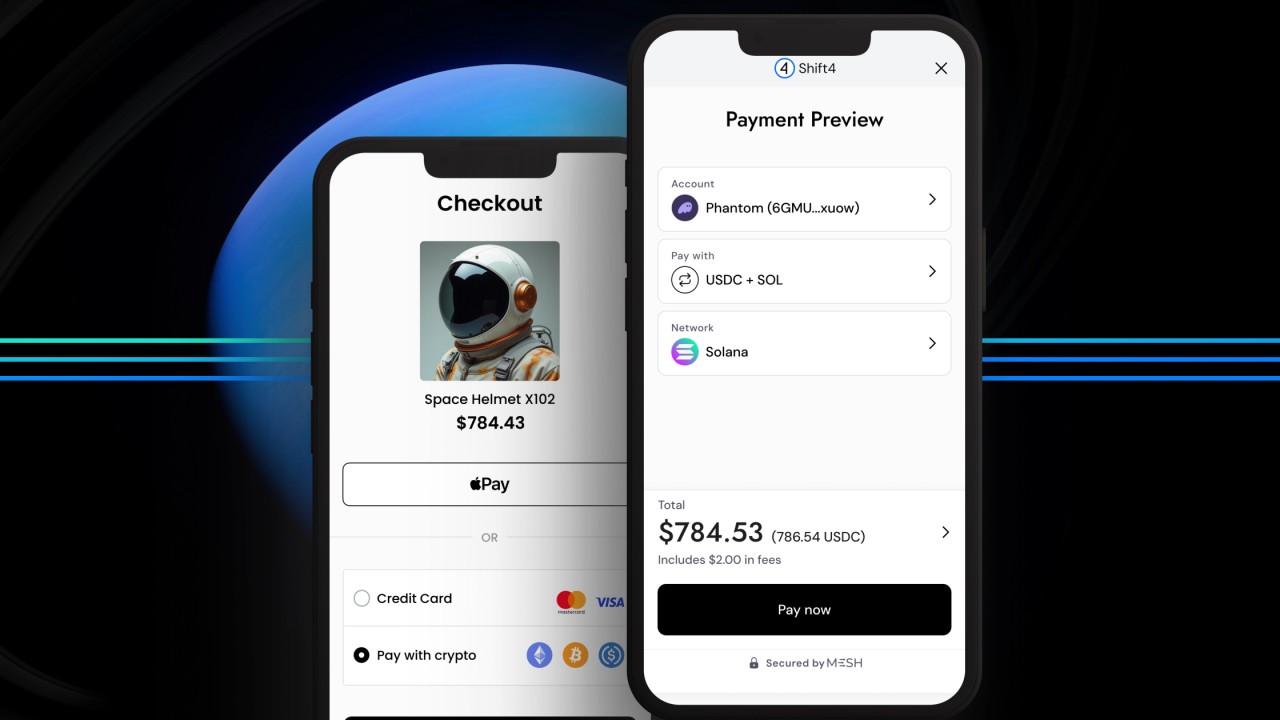
That’s what Mesh’s approach is all about. Just as some businesses aim to be “recession-proof” to remain functional during economic downturns, Mesh is designed to be “rules-proof”: reliable regardless of how regulatory language evolves. Our product is built on compliance-by-design architecture, meaning regulatory requirements are embedded into transaction flows rather than treated as external constraints. As a result:
- partners can build without needing to work through legal ambiguity
- users can transact knowing their payments are operating within local rules
- funds continue to move as regulations evolve
In global payments, this kind of underlying stability is essential for the smooth functioning of markets. When the infrastructure is designed to be rules-proof, businesses can keep building, users can keep transacting, and innovation doesn’t have to pause every time the words change.
Closing thoughts
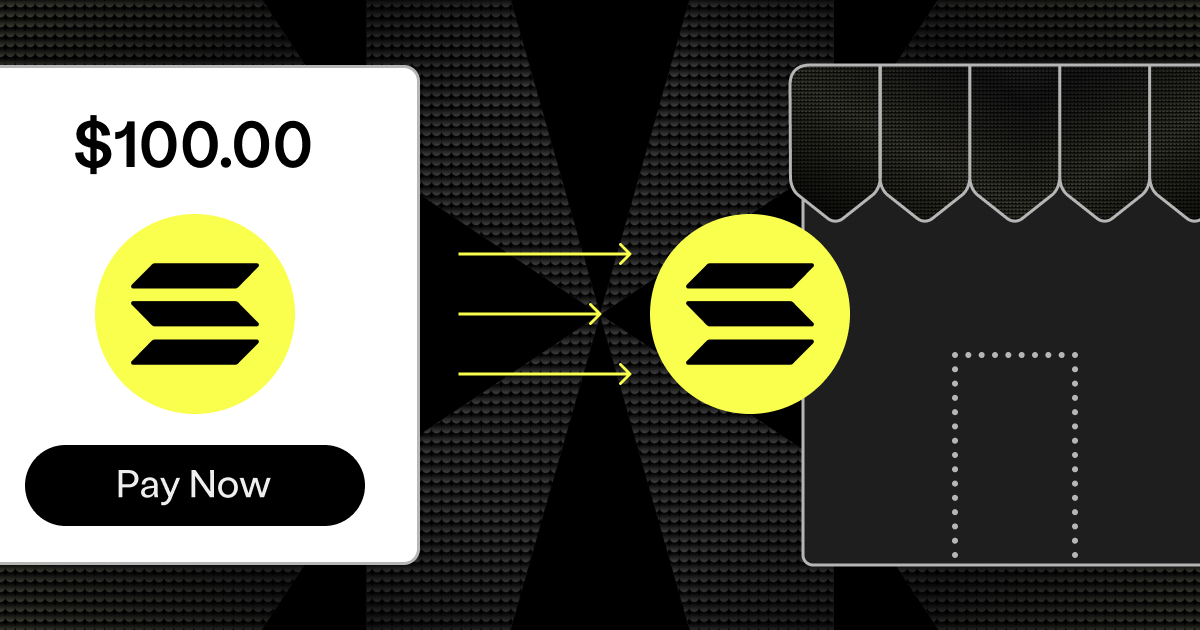
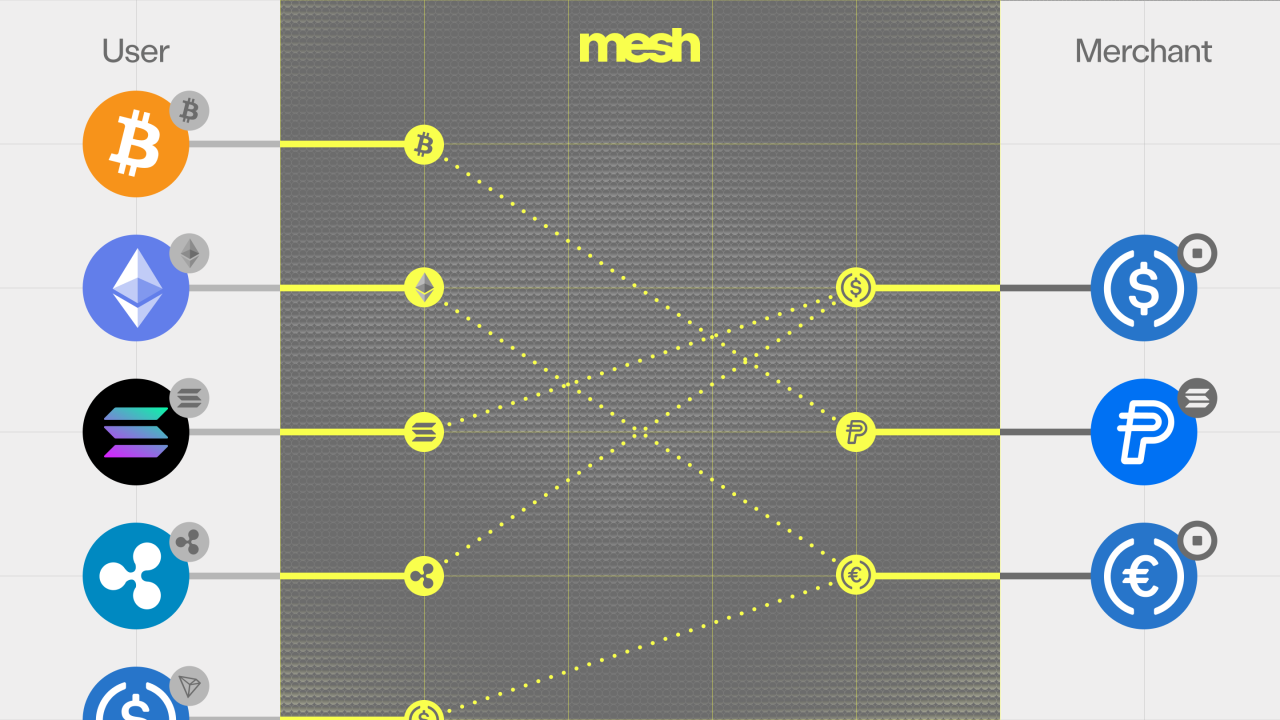
Ultimately, Mesh wants a future where anyone can pay with anything whether it’s a “token” or “commodity”, “money” or “capital”, "security" or “financial instrument”–we’ll handle the transaction while politicians and regulators handle the words.
If infrastructure can remain stable even as policies and classifications change, then global commerce becomes less fragile (and thereby more accessible) to everyone who wants to participate in it.


.png)
.png)
.png)

.png)

.png)


.png)


.png)




%20(1).png)


















.png)
.png)
.png)
.png)
.png)
.png)
.png)
.png)

.png)