

.png)
June 20, 2026
How Mesh and Kalshi Work Together to Power Crypto Deposits
Mesh powers crypto deposits for Kalshi, letting users fund their Kalshi account with crypto they already hold — depositing from 300+ wallets and exchanges, with any token on any supported network converted and routed automatically to the asset Kalshi receives, in a single flow. The capability behind it is SmartFunding, Mesh's deposit-routing engine, and in the first three months after full deployment it increased Kalshi's total monthly deposit count by 177%.
Kalshi is the CFTC-regulated event-contracts exchange where people trade on the outcome of real-world events — economic indicators, financial markets, elections, sports, and more. As Kalshi expanded to more than 140 countries, the gap between the deposits its users wanted to make and the ones its native rails could accept became a constraint on growth. This article explains how the two companies work together, what the integration lets users do, and how the underlying mechanism works.
What is the Mesh–Kalshi partnership?
The Mesh–Kalshi partnership is an integration in which Mesh serves as the crypto deposit and payout infrastructure for Kalshi's users, connecting Kalshi's regulated marketplace to the broader digital-asset ecosystem of wallets, exchanges, and chains through a single layer. It lets Kalshi users deposit cryptocurrencies from their existing exchange accounts and wallets — Coinbase, Binance, MetaMask, and Phantom among them — into their Kalshi account in a few taps, with real-time address validation on the payout side (Mesh and Kalshi announcement, PRNewswire; Yahoo Finance).
As Yahoo Finance described it, the integration adds a digital-asset payments layer to one of the fastest-growing regulated prediction-market platforms, connecting Kalshi users to more than 300 wallets and exchanges through a few-tap flow built to reduce manual transfer errors (Yahoo Finance). Mesh sits in that position as the neutral interoperability layer between Kalshi's regulated market and the world's crypto liquidity (Mesh and Kalshi announcement).
What does the integration let Kalshi users do?
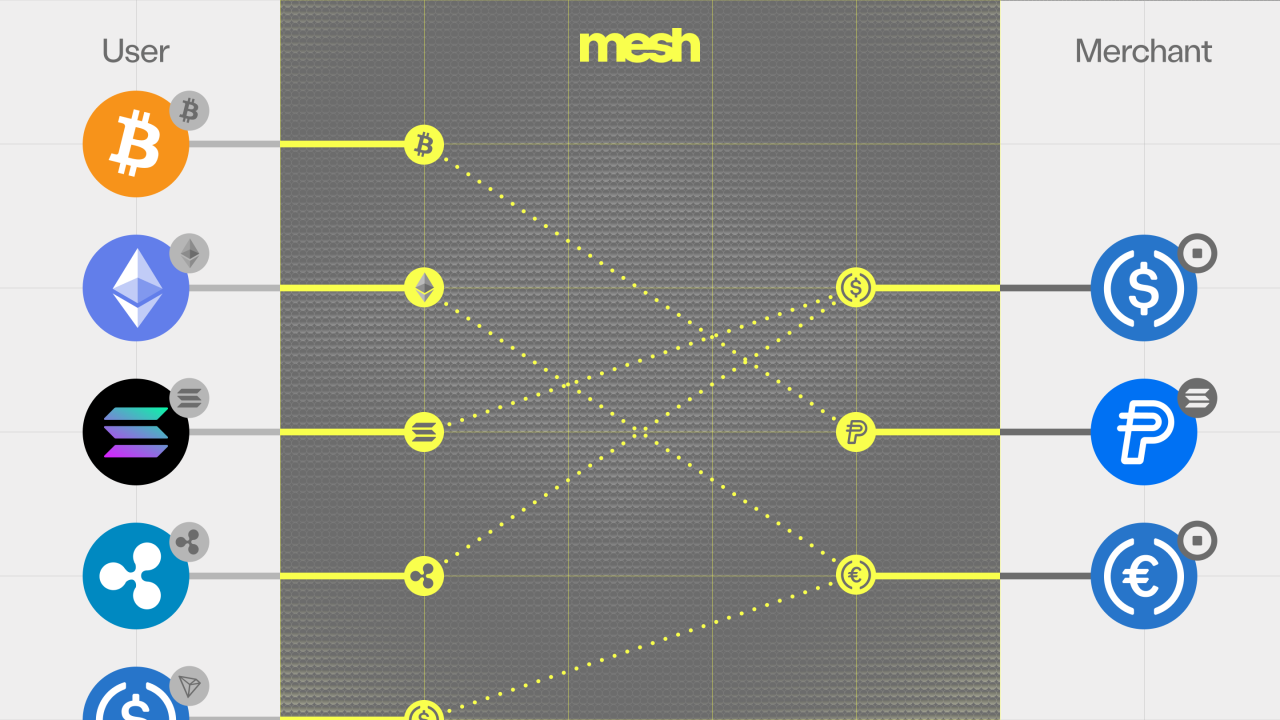
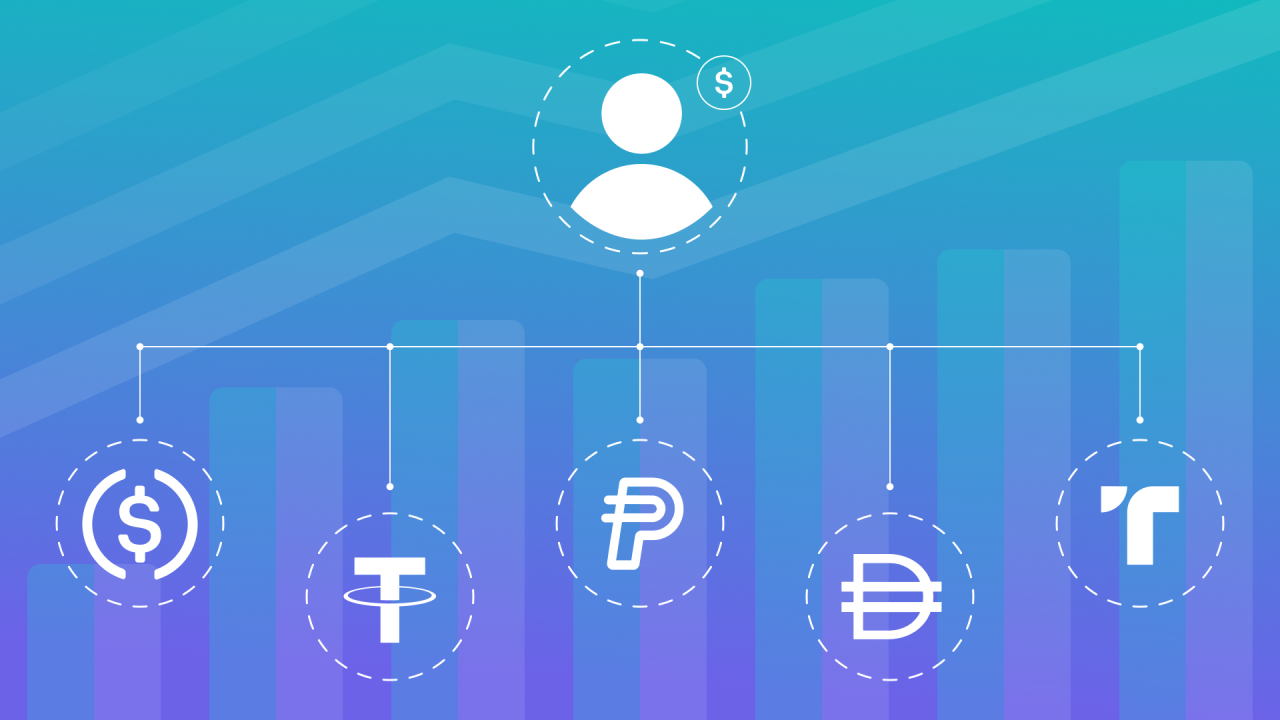
The integration lets a Kalshi user fund their account with whatever crypto they already hold, wherever they hold it, without manually bridging or worrying about sending to the wrong network. Crypto users don't consolidate their assets: a single person might hold USDC on Polygon, USDT on Arbitrum, ETH in a self-custody wallet, and BTC on an exchange. Kalshi's native rails accept a defined set — USDC on Base, Solana, and Ethereum — so before the integration, a user whose assets didn't match had to bridge manually or abandon the deposit. With Mesh, the user sends what they have and Kalshi receives what it needs, with the conversion handled behind the scenes.
For the user, that means three things in practice: they can deposit from the wallet or exchange they already use; they don't copy-paste addresses or pick networks, which is where funds are most often lost permanently; and a deposit that would previously have failed for a mismatched token or network now completes. Kalshi keeps full control of its interface and user experience throughout — Mesh handles the deposit logic without touching the front end.
How does Mesh power Kalshi's deposits?
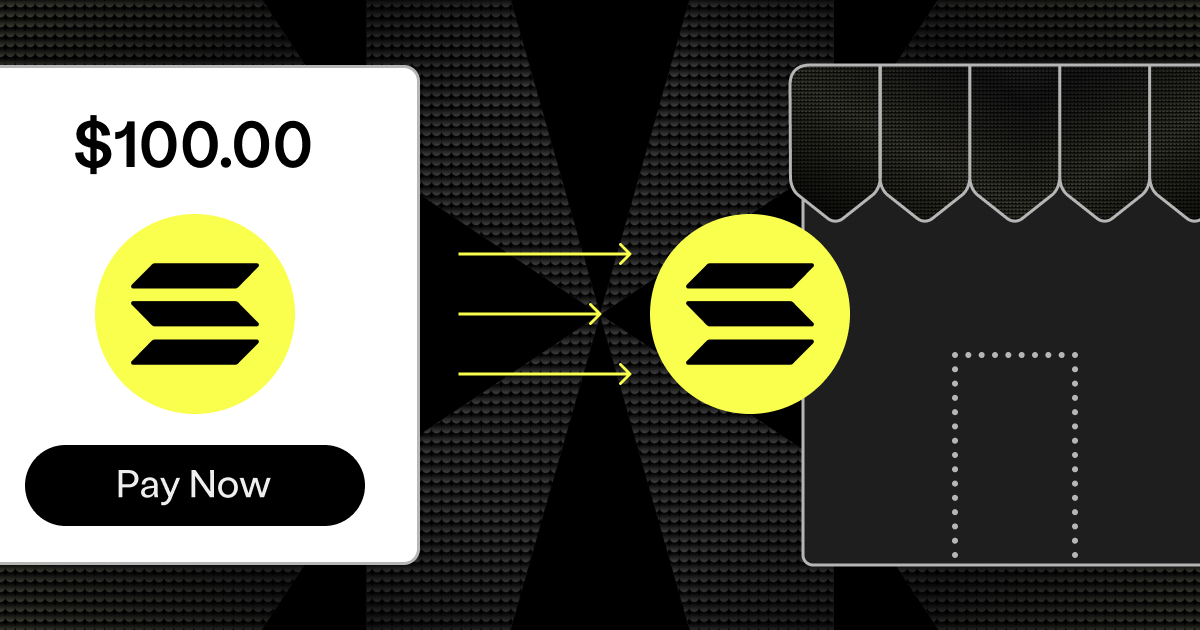
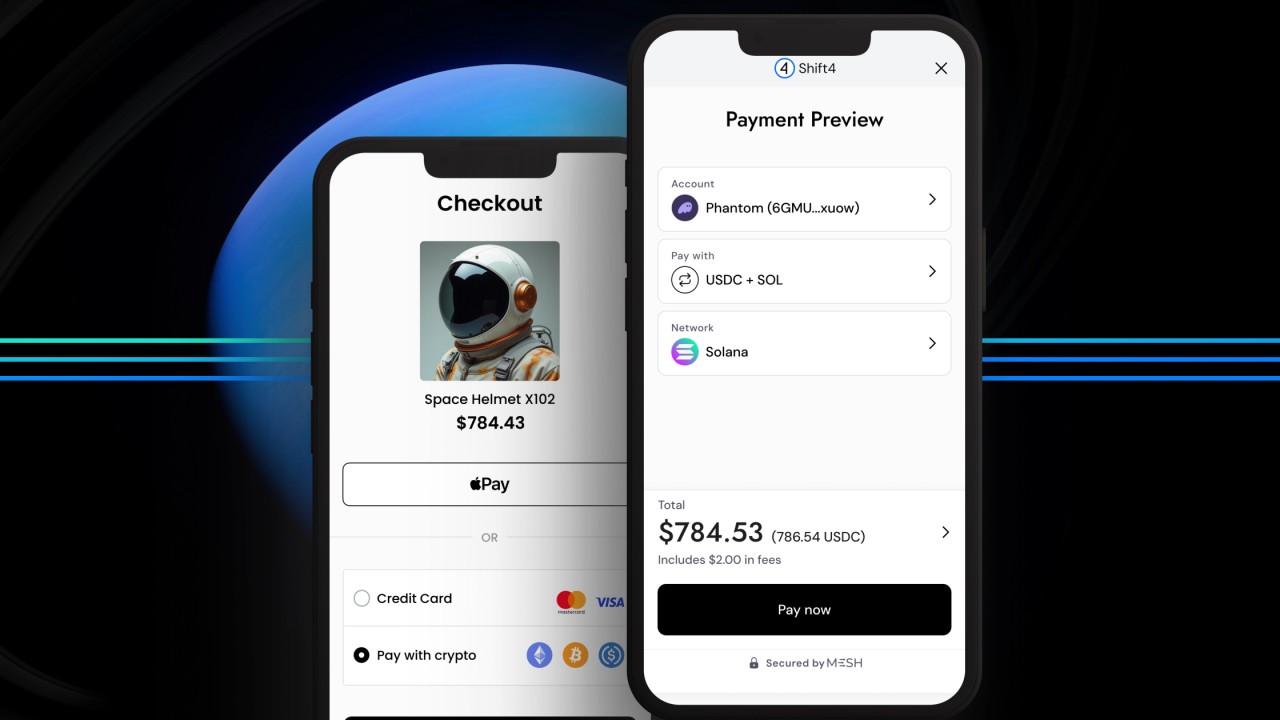
Mesh powers Kalshi's deposits through SmartFunding, its deposit-routing engine, which converts and routes assets automatically at the moment of deposit. A user holding USDT on Arbitrum can complete a deposit even though Kalshi natively settles in USDC on Base — the user sends what they hold, Mesh handles the conversion and cross-chain routing in the background, and Kalshi receives the settlement asset it expects. You can read a fuller breakdown of how SmartFunding routes a deposit on the Mesh deposit solutions page.
Kalshi consolidated all of its crypto deposits onto Mesh as a single provider — wallet connections, exchange links, and QR code deposits alike. For exchange-connected deposits, SmartFunding can draw on multiple funding sources within a single transaction, so that if a user's primary balance falls short, the deposit completes from the next available source instead of failing. On the QR code path, the user selects token and network before any address is generated, which removes the wrong-network sends that are the leading cause of permanent fund loss. Because every deposit flows through one layer, Kalshi also gains full visibility into deposit activity across channels — the data behind programs that identify its highest-value depositors.
Mesh also verifies wallet ownership and checks balances in real time before a transaction is processed — a requirement for a CFTC-regulated platform, where preventing fraudulent or failed deposits is not just a user-experience question.
Which assets, chains, and wallets does it support?
The integration supports crypto deposits across 300+ wallets and exchanges, 120+ tokens, and 24+ networks through Mesh's single integration, as of June 2026 (per meshpay.com). For Kalshi specifically, the deposit footprint expanded ninefold after SmartFunding deployment — from three supported deposit paths to 27 assets across 14 networks (per Mesh data, 2026).
In practice, most of what users deposit is stablecoins held on non-native networks: 88% of bridging volume comes from stablecoins on networks other than Kalshi's native set, with USDC on Polygon, USDC and USDT on BSC, and USDC on Arbitrum among the largest paths, alongside growing volumes of BTC, SOL, and ETH (per Mesh data, 2026). Named funding sources connected through Mesh include Coinbase, Binance, MetaMask, and Phantom, with Kalshi settling deposits in USDC.
What results has the integration produced?
Because Mesh handles all of Kalshi's international crypto deposit volume, these figures come directly from Mesh's own data. In the three months after full SmartFunding deployment, Kalshi's total monthly deposit count rose 177%, and roughly one in four Kalshi deposits now route through SmartFunding — a share that has continued to grow. Bridging deposit transactions grew 16x over the same period, average bridging deposit size grew three to four times as users gained confidence depositing larger amounts across chains, and supported deposit paths expanded ninefold (per Mesh data, 2026; see the Kalshi customer story).
Mesh's own deposit data through mid-2026 points the same direction: the share of Kalshi deposits arriving through SmartFunding has continued climbing from roughly a quarter toward roughly half of all deposits, and bridging deposit counts have grown several times over since the relationship went live (per Mesh internal data, June 2026). On the integration itself, Kalshi went from first API call to production in 48 hours, launched to 140+ countries without building regional payment partnerships market by market, and has run at 99.9% uptime as volume scaled (per Mesh data, 2026).
As John Wang, Head of Crypto at Kalshi, put it: "Crypto-native traders are the most active participants in any market they touch. Higher volume, stronger engagement, deeper liquidity. The barrier has never been interest, it's been infrastructure. Mesh fixes that. That's how Kalshi becomes the global platform for every serious trader in the world" (Mesh and Kalshi announcement).
Why does the partnership matter for prediction markets?
Prediction markets have moved into the financial mainstream, and the funding rails underneath them have become the constraint on how fast they can scale internationally. Kalshi is the CFTC-regulated event-contracts exchange where each contract poses a yes-or-no question about a real-world outcome and settles at $1 if the answer is yes or $0 if no, with the price reflecting the market's implied probability (Kalshi newsroom). The category's growth has been steep: Kalshi raised $1 billion at a $22 billion valuation in a Coatue-led round in May 2026, with Sequoia, Andreessen Horowitz, Paradigm, and others participating (CoinDesk), and the platform processed record monthly trading volume in 2026 as institutional adoption accelerated (CNBC).
For a platform expanding across 140+ countries, the structural problem is that the tokens and networks a global user base holds rarely match the narrow set any single platform's rails accept. That mismatch is exactly the gap Mesh closes — which is why network-layer infrastructure, rather than bespoke per-market connectivity, has become the practical way for regulated products like Kalshi to reach crypto-native liquidity at scale (Yahoo Finance).
Partnership history
Mesh and Kalshi publicly announced the partnership on May 5, 2026, framing it around secure, seamless crypto deposits and payouts for Kalshi's growing global user base following its expansion into more than 140 countries (Mesh and Kalshi announcement, PRNewswire; meshpay.com). The public announcement followed Mesh's $75 million Series C round and $1 billion valuation (Mesh Series C, PRNewswire). Coverage of the integration ran across financial and trade press, including Yahoo Finance, Crowdfund Insider, and The Paypers (Yahoo Finance; Crowdfund Insider; The Paypers).
Frequently asked questions
→ What is Kalshi? Kalshi is a CFTC-regulated event-contracts exchange — a prediction market where people trade on the outcome of real-world events. Each contract poses a yes-or-no question and settles at $1 if the outcome is yes or $0 if no, and the price reflects the market's implied probability of that outcome (Kalshi newsroom).
→ How do I fund a Kalshi account with crypto? Through Mesh, a Kalshi user connects an existing wallet or exchange — or scans a QR code — and deposits the crypto they already hold. Mesh's SmartFunding converts and routes the asset automatically so Kalshi receives USDC, even if the user sent a different token on a different network.
→ Which wallets and exchanges can I deposit from? Deposits are supported from 300+ wallets and exchanges, including Coinbase, Binance, MetaMask, and Phantom, covering 120+ tokens across 24+ networks as of June 2026 (per meshpay.com).
→ What is SmartFunding? SmartFunding is Mesh's deposit-routing engine. It converts and routes assets at the moment of deposit so a platform can accept any supported token on any supported network while still receiving a single settlement asset — without sending users to external bridges. Read more about how SmartFunding works.
→ Does Mesh handle Kalshi payouts too? Yes. Alongside deposits, the partnership uses real-time address validation for payouts, intended to reduce manual errors and improve reliability (Mesh and Kalshi announcement).
→ Is crypto funding available everywhere?Mesh powers crypto deposits for Kalshi's international user base across 140+ countries. Availability of any specific market or funding method varies by jurisdiction. This article is informational and is not financial advice.
Sources and methodology
Primary and external authority sources: the Mesh–Kalshi partnership announcement on PRNewswire and on meshpay.com; third-party coverage from Yahoo Finance, Crowdfund Insider, and The Paypers; Kalshi's own category and regulatory framing from the Kalshi newsroom; Kalshi's funding and trading figures from CoinDesk and CNBC; and Mesh's network figures from meshpay.com.
Provenance of figures: Kalshi deposit-performance percentages and multipliers (177% deposit-count increase, 1 in 4 deposits via SmartFunding, 16x bridging transaction growth, 3–4x average bridging deposit size, 9x deposit-path expansion, 88% stablecoin share, 48-hour integration, 99.9% uptime) are drawn from Mesh's own deposit data, which captures the full picture because Mesh handles all of Kalshi's international crypto deposit volume; the headline growth figures reflect the period following full SmartFunding deployment, and the rising SmartFunding share of deposits is measured through mid-2026. Company-wide counts (300+ wallets and exchanges, 120+ tokens, 24+ networks) are taken from meshpay.com as of June 2026. Kalshi corporate figures (valuation, funding round, trading volume) are attributed to the third-party outlets cited above and dated accordingly. No figures describing the dollar value of the Mesh–Kalshi deposit relationship are published here.
Related reading
- How SmartFunding works — the engine behind the Kalshi integration
- Instant crypto deposits from wallets and exchanges — Mesh deposit solutions overview
- Mesh crypto payouts: settle in crypto or fiat — the payout side of the partnership
- What is Mesh? The crypto payments network explained — pillar overview
- Kalshi customer story: crypto deposits powered by Mesh — the results, in brief
- PayPal and Mesh on crypto conversion and stablecoins — Mesh powering crypto acceptance (Payments Dive)
- Shift4 teams up with Mesh to offer merchants crypto payment capabilities in 45+ countries — sibling partnership, acceptance direction


.png)
.png)

.png)

.png)



.png)


.png)



%20(1).png)

















.png)
.png)
.png)
.png)
.png)
.png)
.png)
.png)

.png)