.svg)

.svg)
May 30, 2026
Good UX used to mean “good for people”
The following is by Mesh Senior Product Marketing Manager, Georgina Karnasopoulos .
For the past two decades, UX has been a deeply human discipline. We obsessed over friction. We A/B tested button colours. We ran usability studies and drew journey maps and argued about whether the checkout flow had one step too many. All of it built around one assumption – that somewhere, at the end of every interaction, there was a person.
That work still matters. But something is shifting.
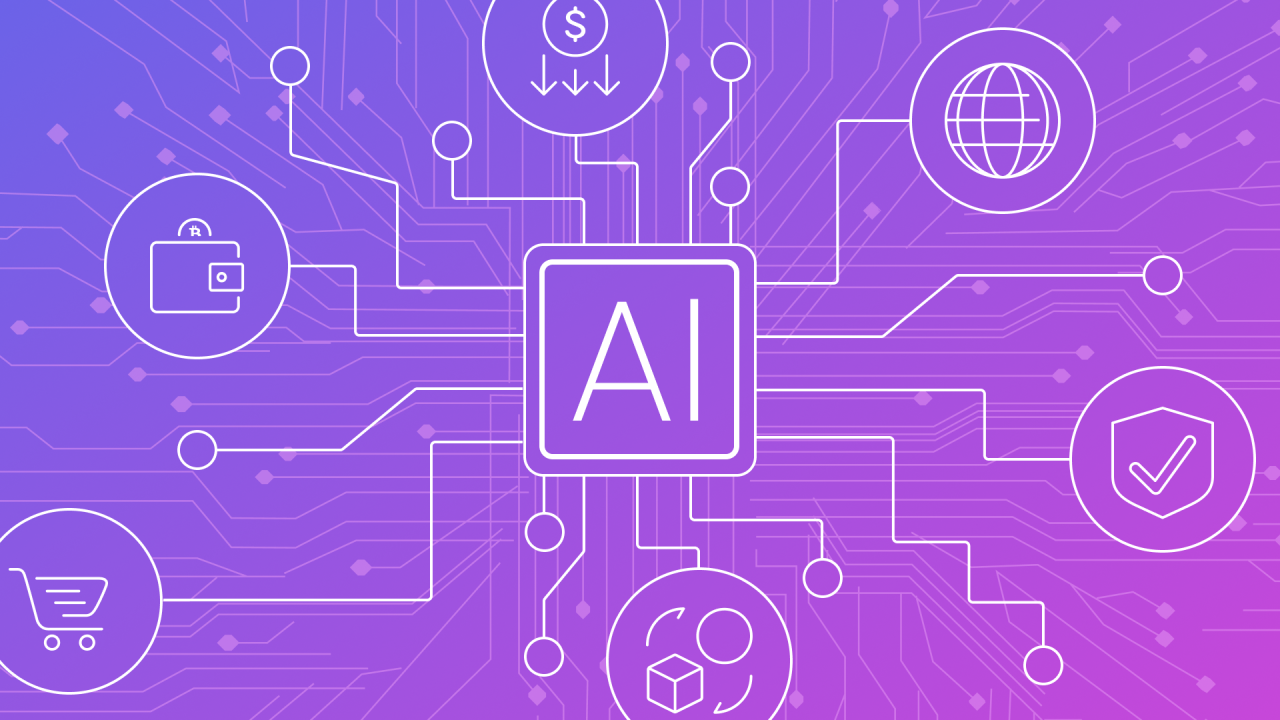
AI agents are no longer just assisting humans with tasks; they are executing them autonomously. They are booking travel, placing orders, managing supply chains, routing funds, and rebalancing portfolios. The global agentic commerce market was valued at $5.71 billion in 2025 and is projected to reach $65.47 billion by 2033 – with financial services and payments leading that expansion at the fastest growth rate of any segment.
As the agentic economy scales, machine-to-machine (M2M) UX is emerging as its own critical discipline. The digital infrastructure we built for people isn’t automatically hostile to machines–it’s just entirely unsuited for them. And that gap is starting to matter.
The machines are standing in the human queue
Think about what it means for a software agent to interact with a typical API or payments flow. It hits rate limits designed around human patience. It encounters error messages written for developers to read, not for systems to parse and act on. It faces authentication flows optimized for browsers. It arrives at documentation that assumes a person will read it once, understand it, and remember it.
None of that is intentional. It simply reflects the systems we were designing for.
The problem is that latency means something different to a machine than it does to a person. A human might not notice a 400ms delay. A machine is already deciding whether to retry, reroute, or abandon the transaction entirely. Humans absorb ambiguity, slowness, and inconsistency all the time – often without realising it. Machines don't. What feels like minor friction to a person can become a failed state for an autonomous system.
But infrastructure friction is only part of the problem. Even when a machine can navigate a system technically, it faces a harder question: should it trust what it finds there?
Trust doesn't work the same way
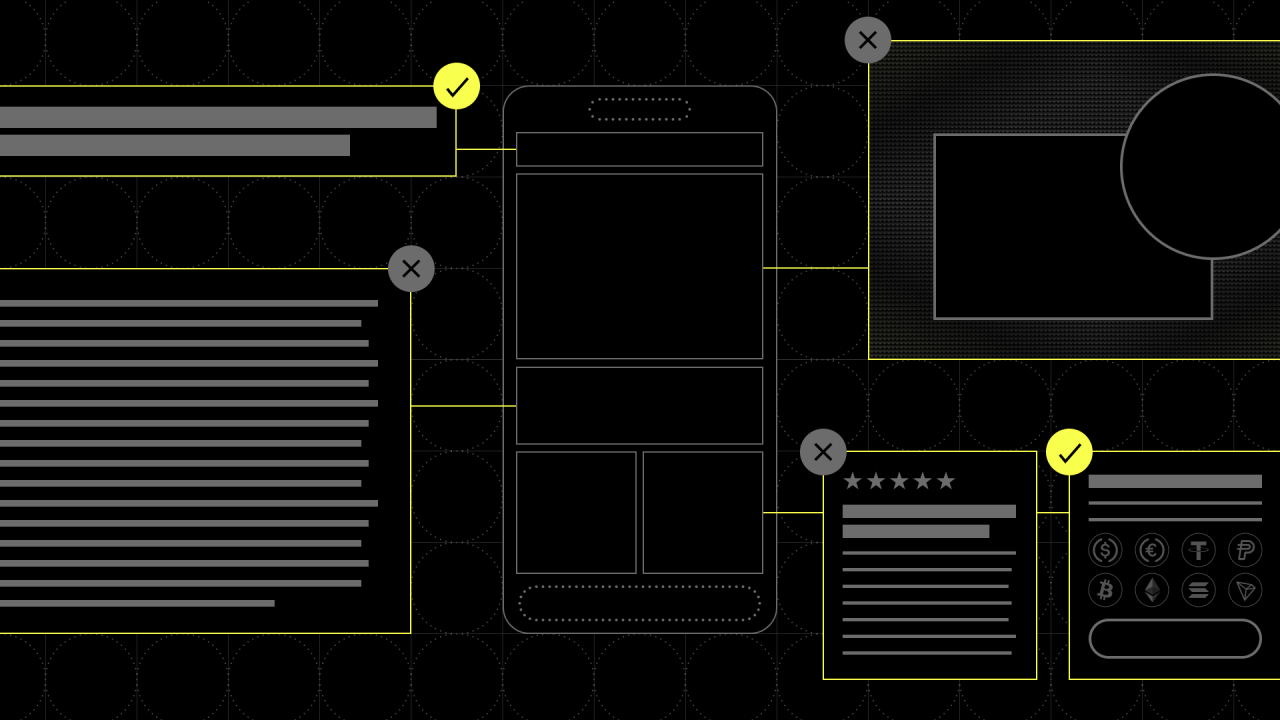
Human UX relies heavily on signals that are almost entirely useless to machines. Branding inspires confidence. Good design creates emotional trust. A well-placed logo reassures a person they're in safe hands.
An AI agent doesn't care about aesthetics. It requires programmable trust. To transact confidently, an agent needs to verify who it's dealing with, confirm it has permission to act, and trust that every step of the transaction can be traced and proved.
When a human trusts a financial platform, it's a mix of intuition and reputation. When an agent trusts a system, it needs proof it can check instantly – not something it has to feel out.
Trust, in M2M systems, has to be something you encode, not something you feel.
Affordances for machines
In UX, an affordance is a signal that tells a user what they can do. A button affords clicking. A text field affords typing. The visual language of interfaces is essentially a system of affordances – cues that guide human behaviour without requiring explanation.
Machines need affordances too. They just look completely different.
Rather than buttons, they need documented capability declarations. Rather than visual hierarchy, they need consistent, predictable schemas. Rather than intuitive flows, they need defined constraints, clear error states, and outcomes they can rely on.
When you're building for an AI agent, the question isn't "does this feel natural to a person?" – it's "can a machine discover what's available here, evaluate its options, and execute without breaking?" And when the answer is no, the consequences look nothing like a human dropping off.
When machines fail, nobody's watching
Human UX fails visibly. A person hits a broken flow and drops off. Autonomous agents fail silently – and consequences can compound before anyone realises something went wrong.
An agent acting on stale data doesn't pause to sense-check – it executes. An agent exposed to malicious instructions mid-task doesn't have intuition to override them – it follows them. In multi-agent systems, one bad assumption can trigger a chain of downstream failures before a single error is detected.
M2M UX isn't just about enabling machines to act. It's about designing systems that fail gracefully when they do – because in autonomous systems, the cost of a poorly handled failure isn't a lost conversion or a dropped shopping cart. It is funds moved incorrectly, compromised data, or irreversible transactions that cannot be unwound.
Where we actually are
It's worth mapping where the industry actually sits, because the spectrum is wider than most people realise.
Most "machine-readable" infrastructure today still means helping humans move faster – not removing them from the loop. AI-accelerated, not AI-autonomous.
The interaction models are evolving quickly beyond that. Consumer-to-Agent (C2A) is where most people's experience of agentic AI starts – a person instructs an agent to act on their behalf. Business-to-Agent follows: enterprises deploying agents to handle procurement, payments, and operations. Then Agent-to-Agent – autonomous systems transacting directly with each other, no human involved at any stage. By 2030, analysts project that 20-30% of all online transactions will involve AI agent mediation at some point in the funnel.
The bottleneck across all of these models isn't intelligence – agents can already reason, plan, and decide. It's execution. Whether the infrastructure can actually let them act.
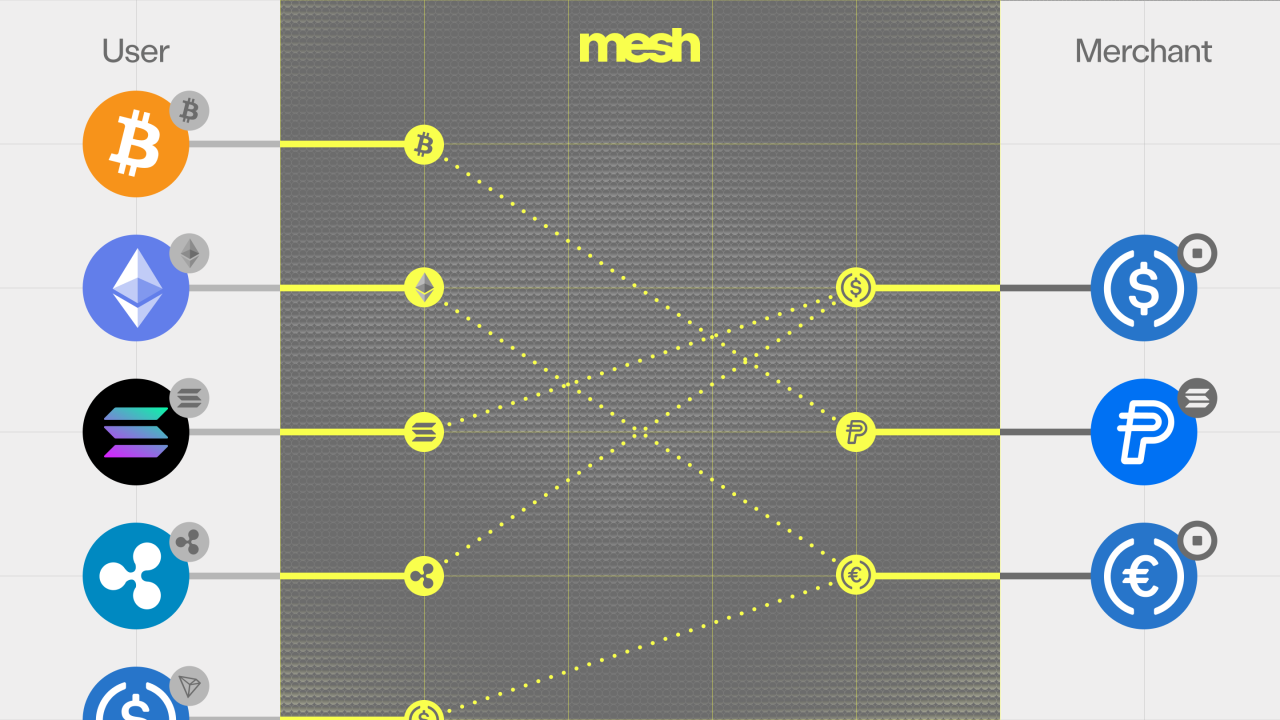
At Mesh, this is already influencing how we design the infrastructure layer for agentic payments, where AI systems can move funds and coordinate transactions across a fragmented financial ecosystem. As more financial activity becomes automated, the quality of the machine-to-machine experience starts to matter just as much as the human one.
What comes next
Most of the conversation about AI right now is focused on the human side – how do we make it more helpful, more natural, more trustworthy for people? That's important work. But the more consequential design challenge is a layer below it.
How do agents discover services? How do they evaluate risk, determine cost, authenticate, and recover from failures without a human in the loop? How do we build infrastructure that a machine can navigate as fluently as a person navigates a well-designed app?
The designers and engineers solving this problem won’t just be designing interfaces for people. They’ll be designing infrastructure that machines can navigate, trust, and transact through reliably at scale.
That’s the UX challenge of the next decade.
Want more like this? Subscribe to Mesh Weekly.





.png)
.png)
.png)
.png)
.png)

.png)


.png)
.png)




.png)


%20(1).png)
















.png)
.png)
.png)
.png)
.png)
.png)
.png)
.png)

.png)

