.svg)

.svg)
.png)
June 6, 2026
Introducing the Mesh Alliance Program
This week, we launched MAP — an industry initiative built to solve the biggest infrastructure problem in crypto payments. Here's the story behind it.
Crypto payments have a fragmentation problem.
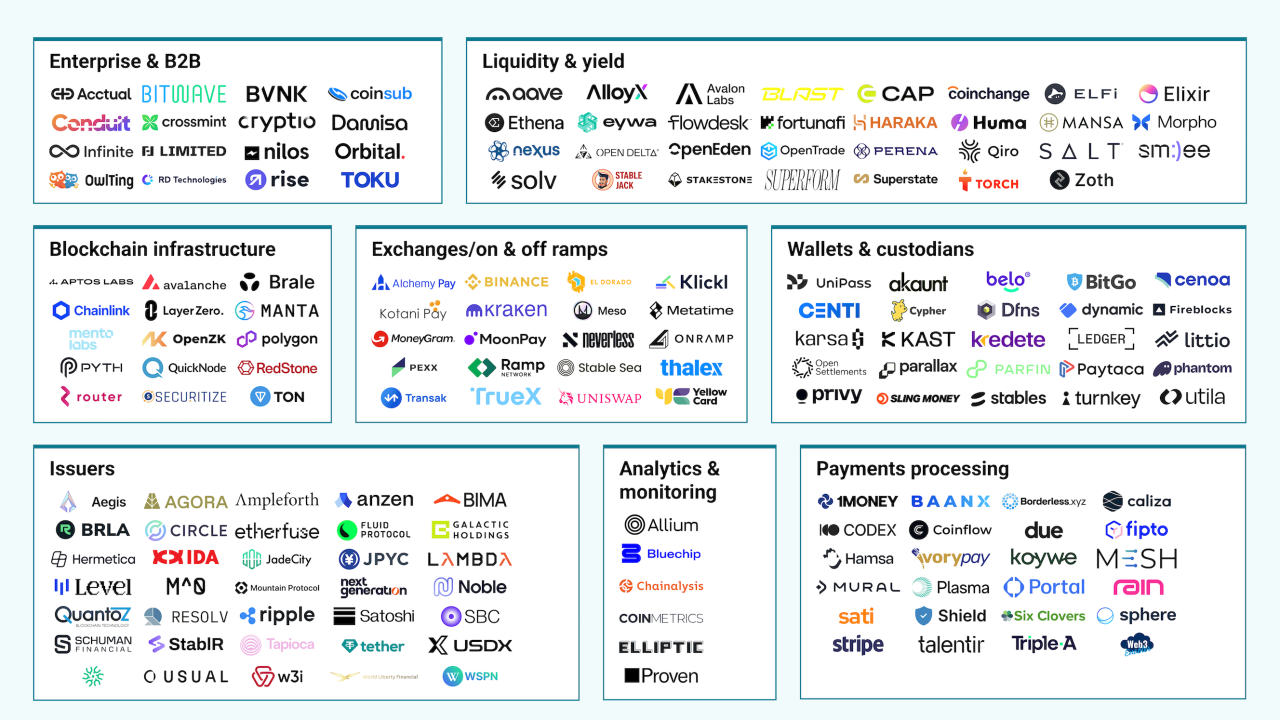
As digital assets matured, enterprises stopped treating crypto as a single rail and started operating across many — multiple chains, multiple wallets, multiple exchanges, multiple stablecoin issuers. The result is exactly what you'd expect: liquidity scattered across silos, duplicated compliance tooling, and cross-chain settlement that can take months of custom engineering to ship.
Most of that engineering effort isn't building anything new. It's just connecting things that should already be connected.
That's what the Mesh Alliance Program (MAP) is designed to fix.
What MAP actually is
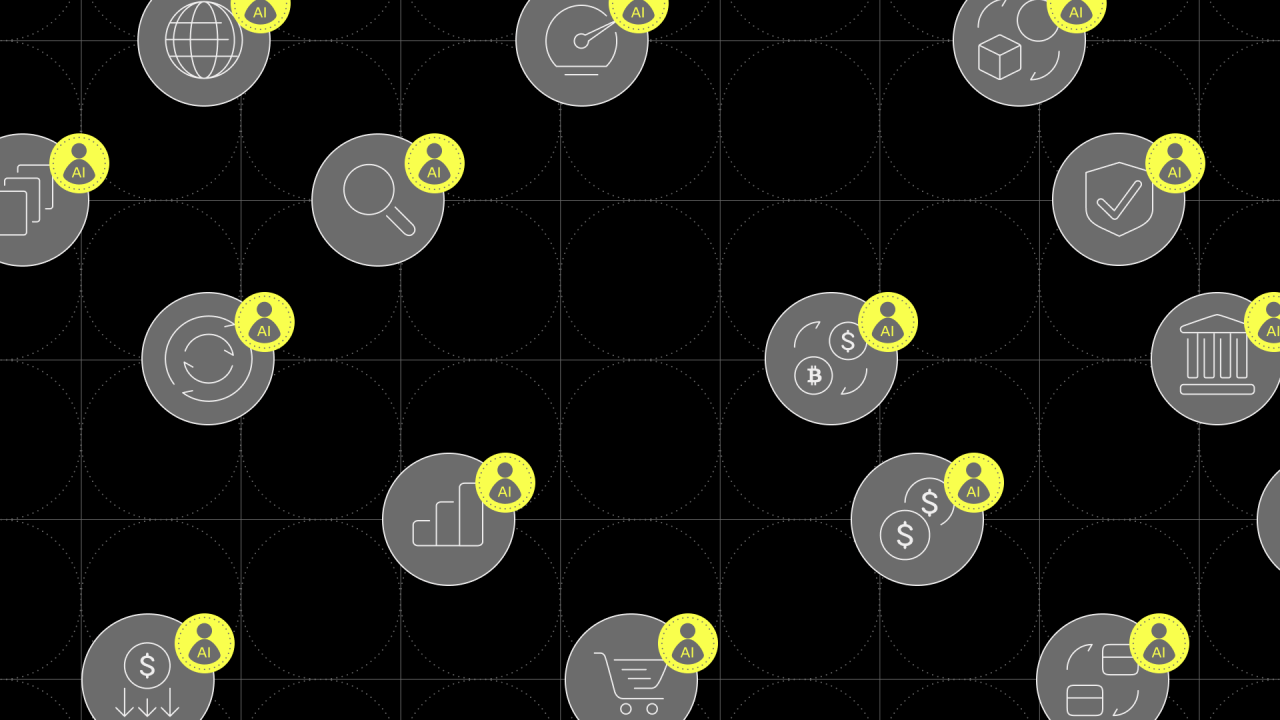
MAP is a neutral interoperability standard — a shared connectivity layer that links the leading networks, wallets, exchanges, stablecoin issuers, and platforms in the industry into a single, unified ecosystem.
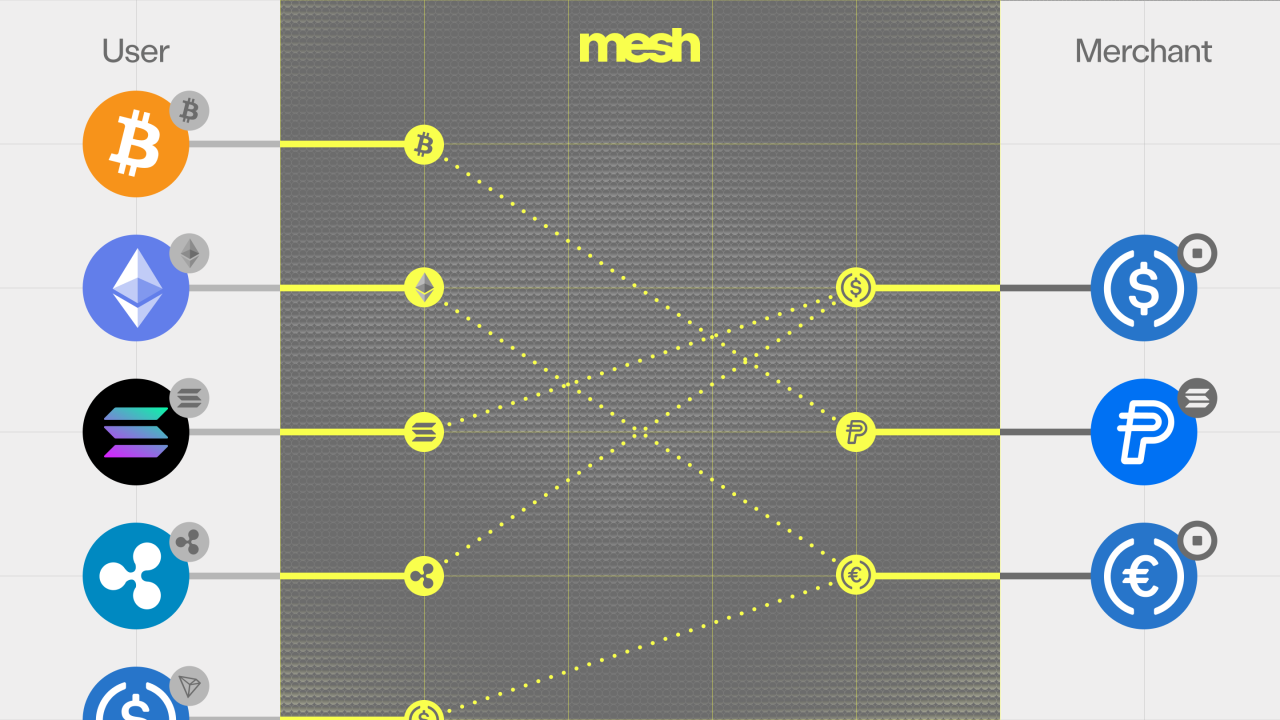
The key word is neutral. MAP isn't another integration point or a new chain. It's an orchestration layer that sits across what already exists, so that enterprise clients can move value between any two endpoints in the network without building custom bridges or managing fragmented routing logic.
We launched with a founding cohort of more than 50 members — and more are joining in the coming weeks.
What it delivers
There are four things MAP gives enterprise clients that they can't easily get today:
Unified movement. One integration that reaches across wallets, exchanges, and blockchains. No more custom cross-chain engineering for every new corridor.
Intelligent settlement. Mesh dynamically routes each transaction to the optimal path — stablecoin, fiat-backed rails, or another preferred asset — based on cost, speed, and availability.
Reduced operational risk. Routing through trusted, vetted infrastructure partners means new payment products launch faster and with less overhead.
Enterprise optionality. Clients keep the freedom to operate across their preferred wallets, exchanges, and chains — with routing preferences they can configure themselves.
Why members are joining
MAP isn't just a benefit for the enterprises consuming the network. Alliance members gain access to a growing set of collaboration tools:
— Routing preferences for enterprise clients to define settlement paths.
— Performance benchmarking across networks and rails.
— Strategic collaboration, including co-marketing and access to exclusive technical forums.
For platforms that have spent years building infrastructure of their own, the value of joining a connected network is straightforward: more reach, more enterprise demand, and a seat at the table as the standards for crypto payments get written.
What we've been building toward
MAP is what Mesh has been building toward since day one. A unified, global payments network has been the founding vision — and every integration we've shipped over the years has added another node to it. MAP is what makes the network behave like one.
"Payments infrastructure shouldn't require months of engineering every time a new chain or platform emerges. MAP is designed to remove these operational barriers so enterprises aren't constrained and can actually scale their payments capabilities. We are turning a fragmented landscape into a single access point for global liquidity."
— Bam Azizi, CEO and Co-founder of Mesh
What's next
The longer-term goal is bigger than any one integration or any one partner. It's to make moving value across the digital asset landscape feel as ordinary as moving data across the internet — without the months of custom work, the bespoke bridges, or the operational drag.
One connected network for global crypto payments.
Fragmentation slowed the first wave of crypto payments. Interoperability is what scales the next one.
If you're building in this space and want to be part of it, learn more about MAP here.
Want more like this? Subscribe to Mesh Weekly.


.png)




.png)
.png)
.png)
.png)


.png)


.png)



.png)




.png)




%20(1).png)





















.png)
.png)
.png)
.png)
.png)
.png)
.png)
.png)

.png)

