.svg)

.svg)
.png)
July 27, 2026
5 Reasons Crypto Deposits Fail (and What Orchestration Solves)
Failed deposits aren't a crypto problem — they're an infrastructure problem. Here are the five failure points that quietly drain funding conversion, and how an orchestration layer eliminates them.
Every business that accepts crypto deposits knows the pattern: users show intent, start the funding flow, and never finish. The transaction didn't "fail" in the technical sense — the journey failed. And because most analytics only capture completed transactions, the drop-off is invisible until you go looking for it.
Here are the five most common reasons crypto deposits fail, and why they're all versions of the same underlying gap.
1. The user holds the wrong asset
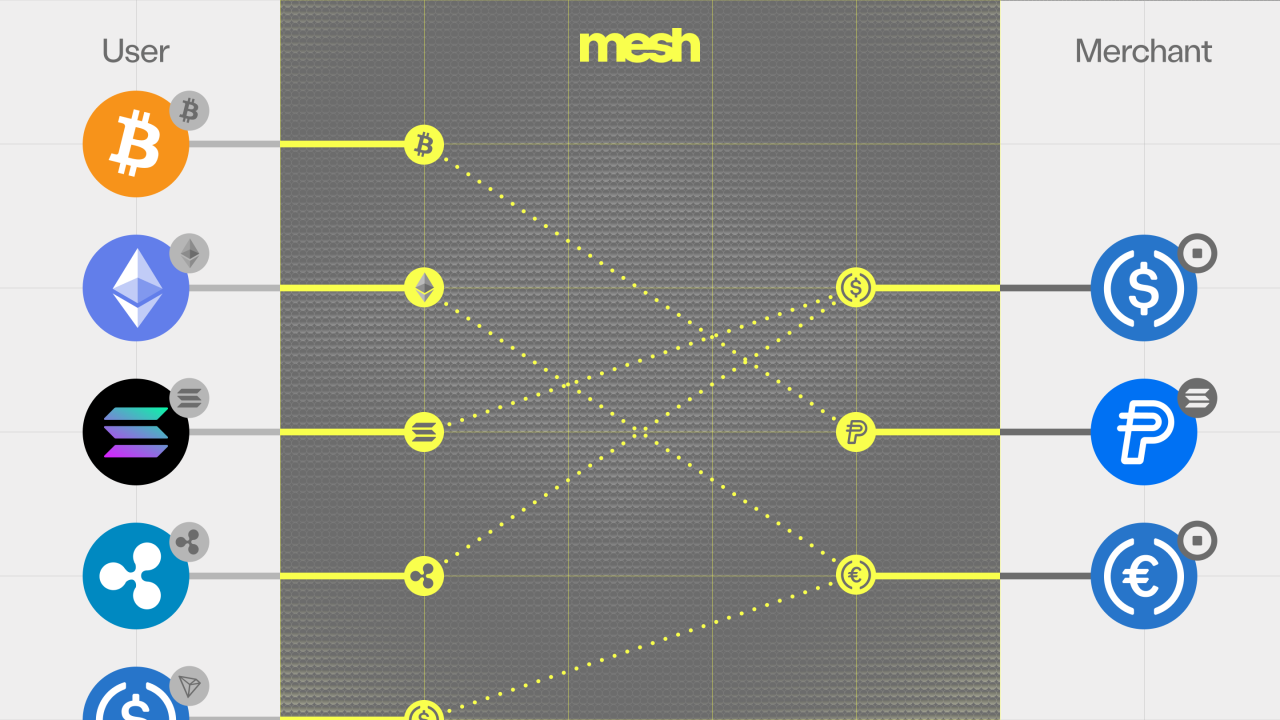
The single biggest failure point. A business wants to receive USDC; the user holds BTC, ETH, or a different stablecoin. In a manual flow, the user is expected to go convert the asset themselves — on their exchange, at their own initiative, before coming back to finish the deposit.
Most don't come back.
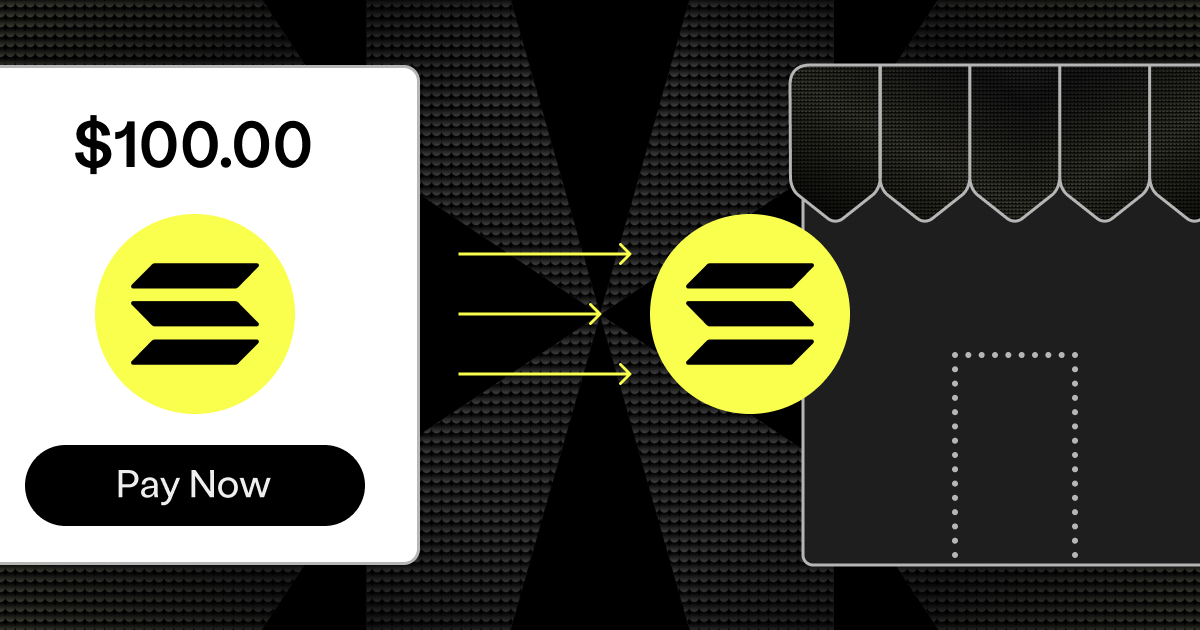
What orchestration solves: Conversion happens inside the flow. With Mesh's SmartFunding™, users fund from whatever they hold and the business receives the asset it wants. On Kalshi, roughly one in four deposits now completes through SmartFunding — deposits that previously would have required the user to convert manually or would simply have been abandoned.
2. The asset is on the wrong network
Even when the asset matches, the network often doesn't. The same stablecoin can live on half a dozen chains, and sending on the wrong one is the classic catastrophic error — funds delayed, support tickets opened, trust damaged. Users who've been burned once become permanently cautious, which means slower deposits or none at all.
What orchestration solves: Network selection and routing are handled programmatically. The user never chooses a chain from a dropdown, and cross-network movement happens behind the scenes as part of a single deposit flow.
3. Manual address copying breaks the flow
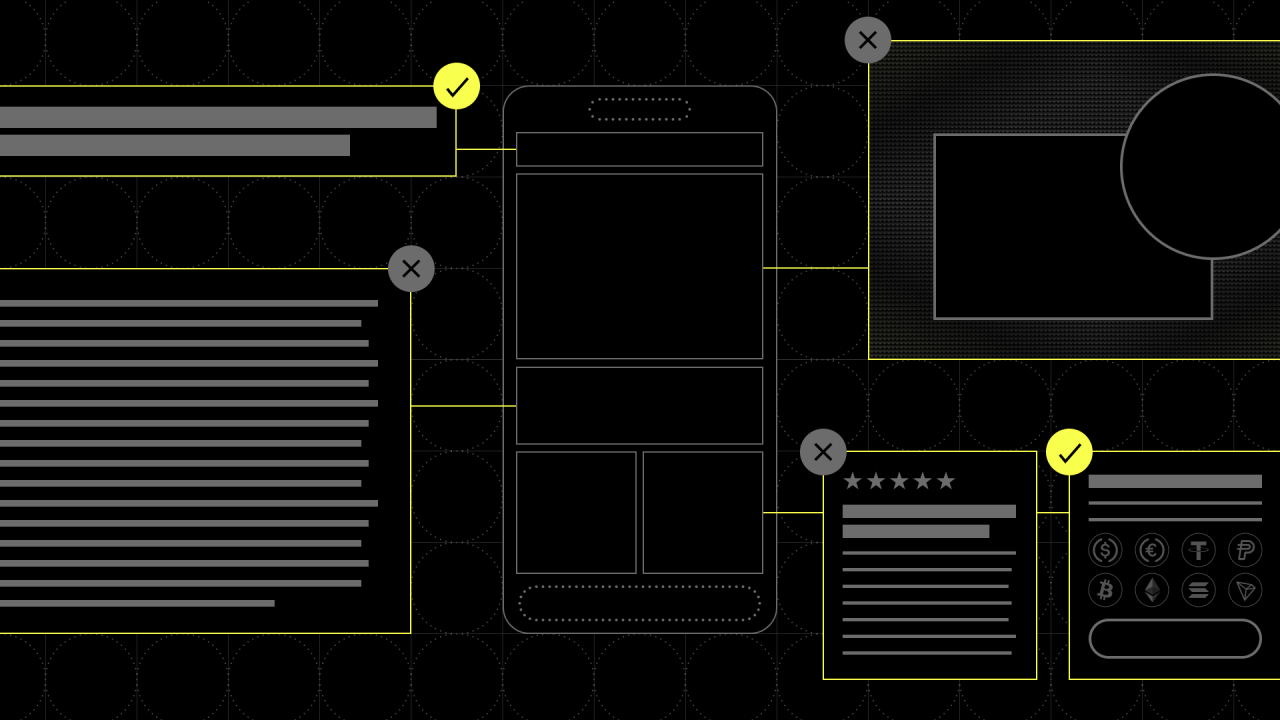
The default crypto deposit UX is still: copy a long alphanumeric address, switch apps, paste it, select a network, confirm, and hope. Every step is a drop-off point, and the fear of a mistyped address adds friction even for users who complete it. It's the equivalent of asking e-commerce customers to wire money instead of tapping "buy."
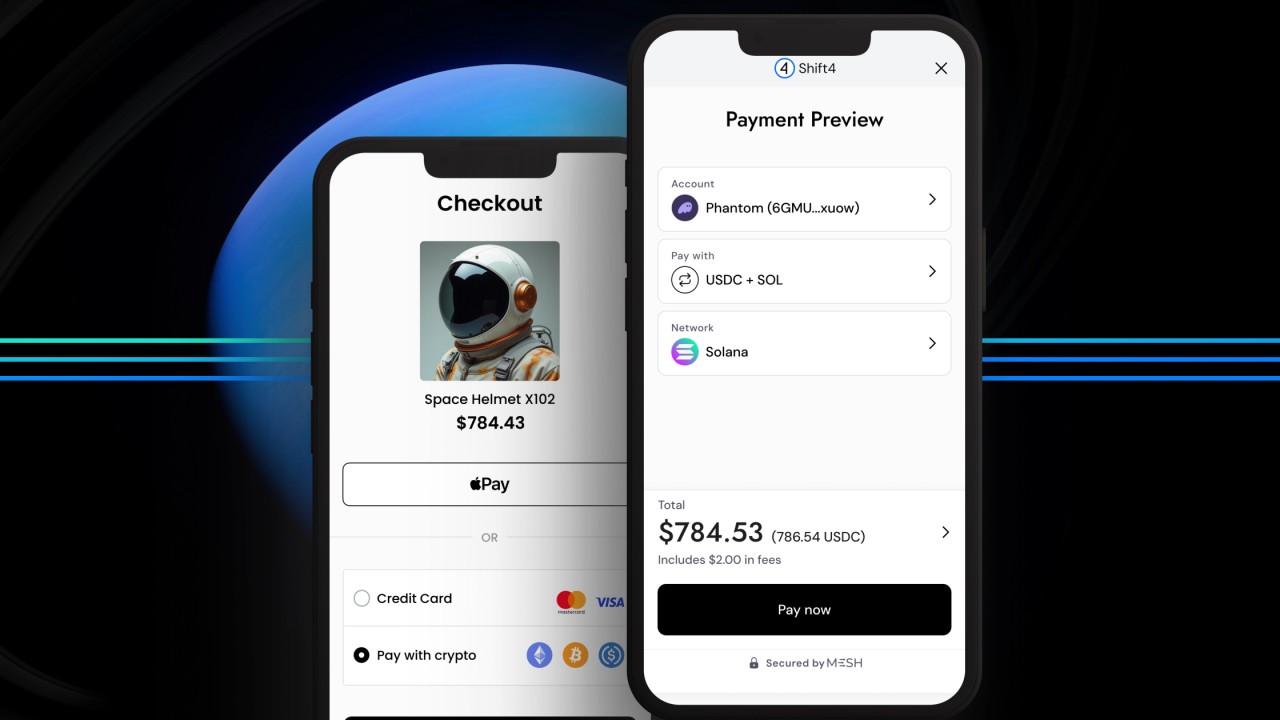
What orchestration solves: Direct, authenticated connections to the user's exchange or wallet replace copy-paste entirely. The deposit becomes a few taps inside the business's own product — no app-switching, no addresses, no network dropdowns. (We've written more about designing crypto payment UX that feels like Web2.)
4. The user's funding source isn't supported
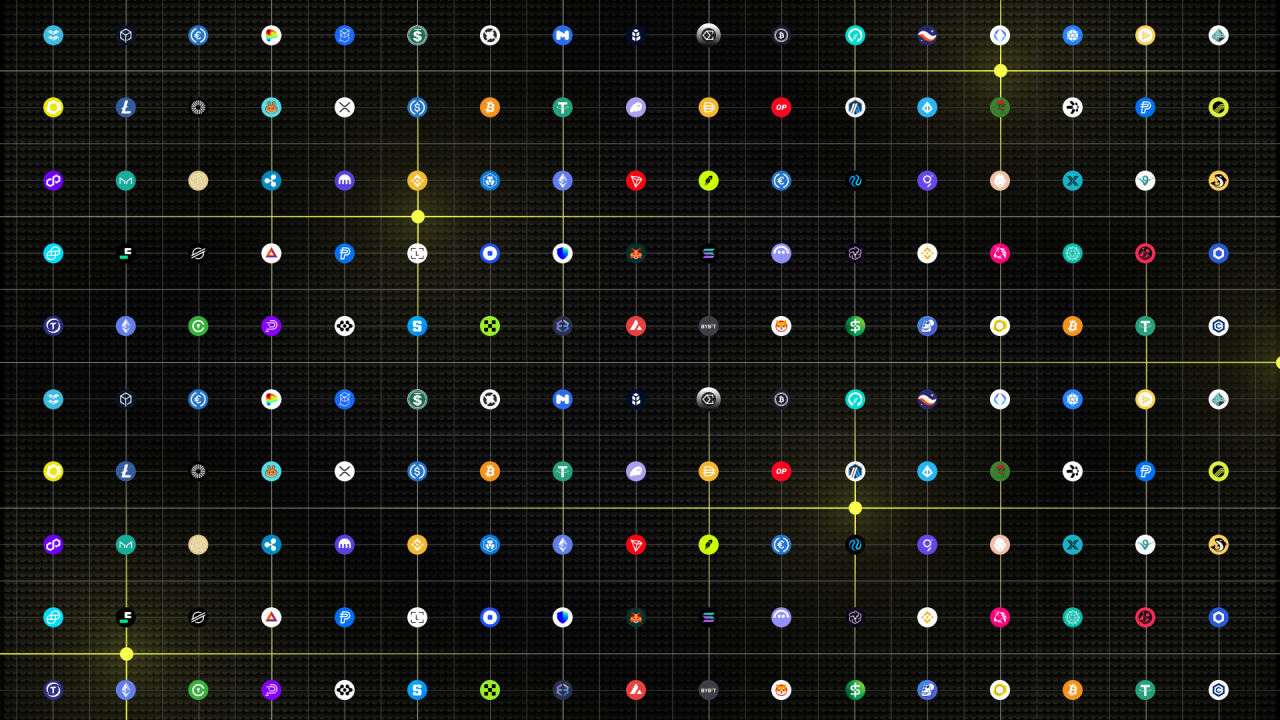
Crypto users are fragmented across hundreds of centralized exchanges and self-custody wallets. If your deposit flow only supports a handful, every unsupported user hits a dead end. Building and maintaining those connections in-house means chasing APIs that change constantly — an integration treadmill most teams can't staff.
What orchestration solves: One integration, hundreds of connections. An orchestration layer maintains connectivity across the exchange and wallet ecosystem so coverage is a platform property, not an engineering roadmap item. This fragmentation problem is bigger than any one integration — it's why we launched the Mesh Alliance Program as an industry-level connectivity standard.
5. Failures are silent, so they never get fixed
The most expensive failure mode is the one nobody measures. Businesses track completed transactions, not abandoned journeys — so the wrong-asset drop-offs, network hesitations, and copy-paste abandonment never show up in a dashboard. Teams conclude "our users don't deposit much crypto" when the truth is "our users can't."
What orchestration solves: When the full journey runs through one layer, the full journey becomes measurable — where users start, what they hold, where they stall, what converts. That visibility is how deposit flows get treated like the revenue funnels they are. After moving deposits to Mesh, Kalshi saw 138% deposit growth — growth that was always latent in user intent, and unlocked by removing the failure points above.
The pattern behind all five
Every failure on this list is a gap between what the user has and what the business wants to receive — wrong asset, wrong network, wrong flow, wrong coverage, or no visibility into any of it. Point solutions patch one gap at a time. An orchestration layer closes all of them at once, because it owns the entire path from the user's source of funds to the business's destination account.
If deposits are a revenue lever for your business, the question isn't whether users want to fund with crypto — it's how many are failing to. Talk to the Mesh team to find out.




.png)



.png)
.png)
.png)
.png)
.png)


.png)


.png)


.png)




.png)






%20(1).png)


























.png)
.png)
.png)
.png)
.png)
.png)
.png)
.png)

.png)

